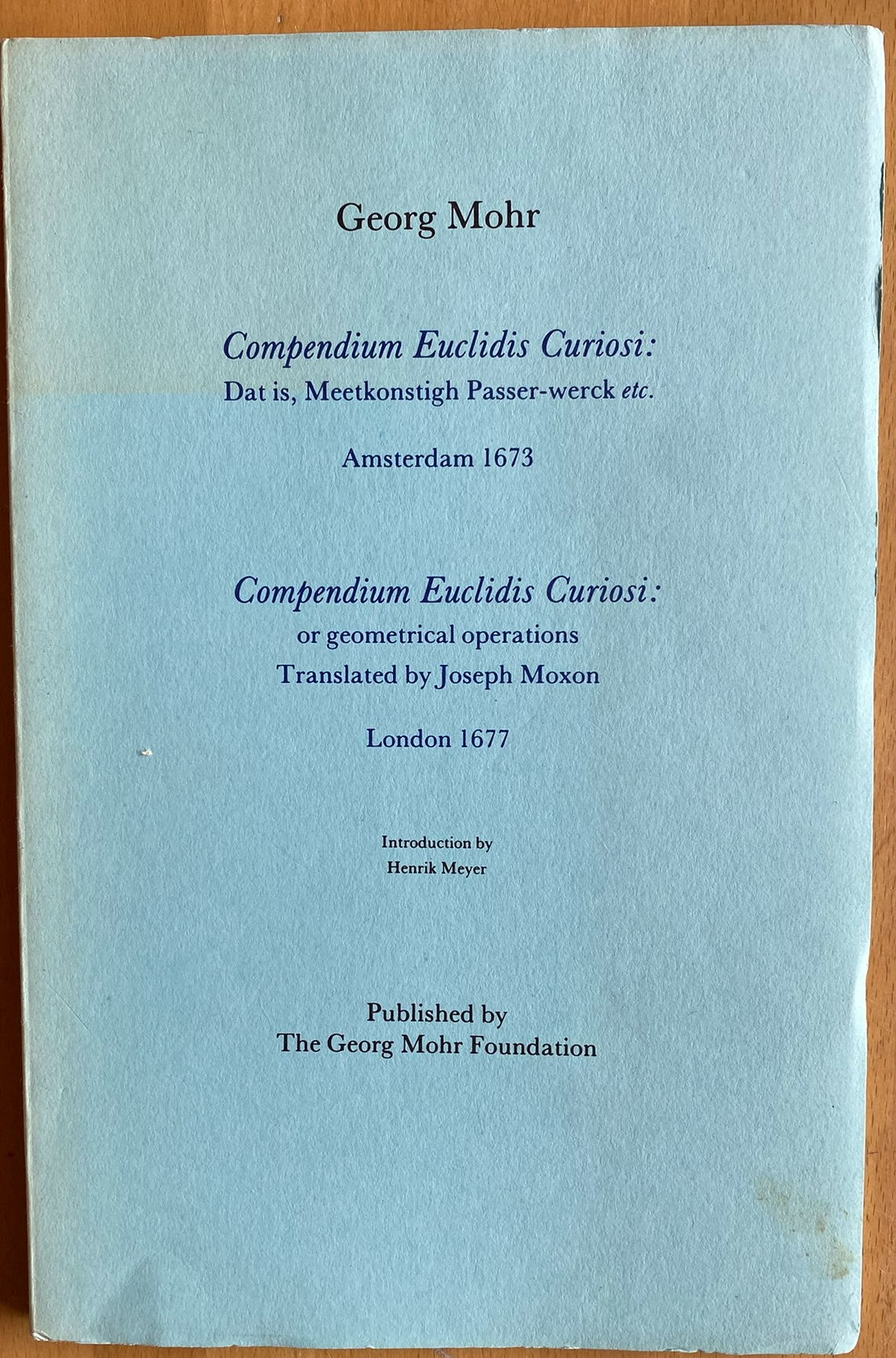
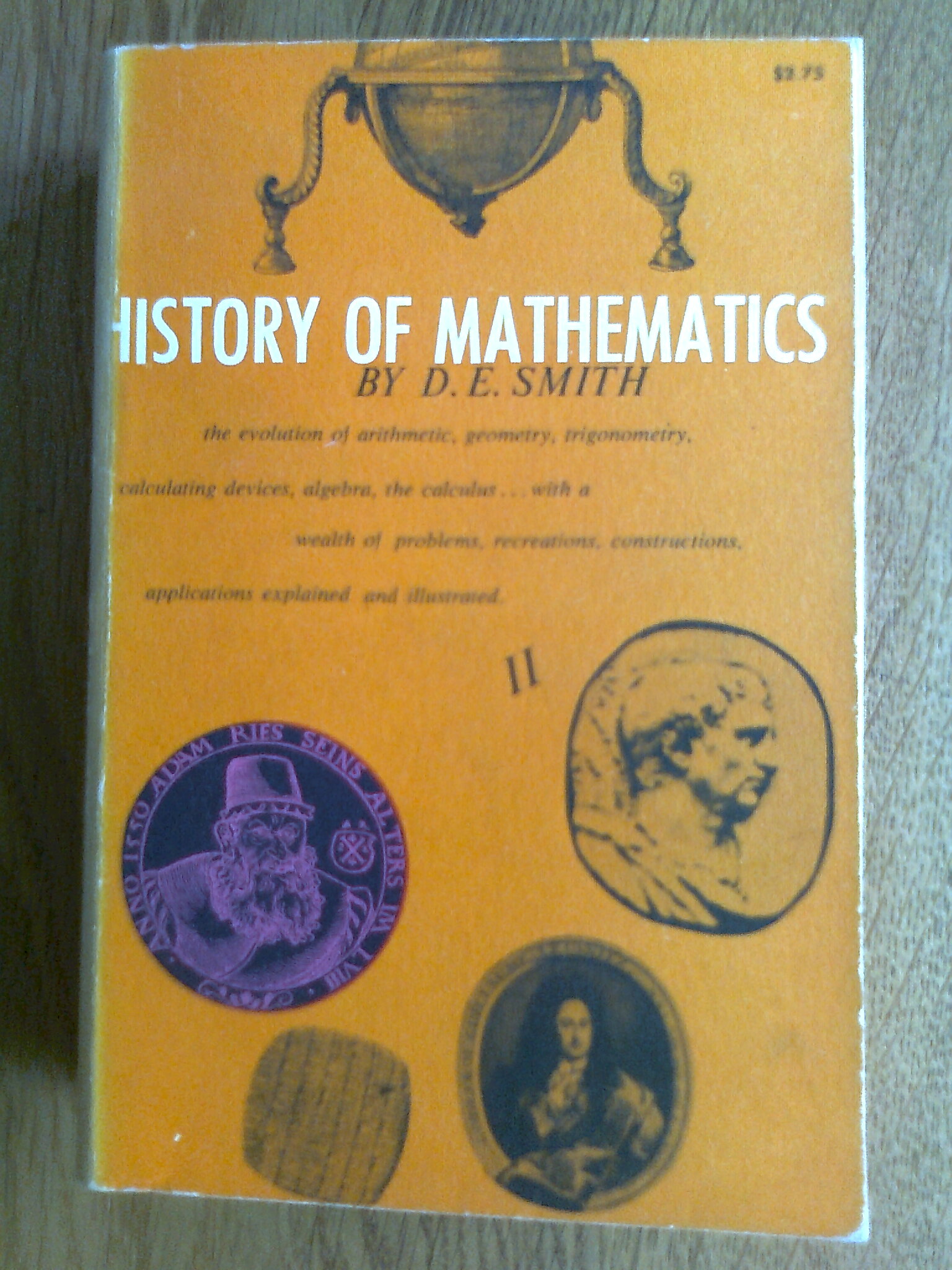
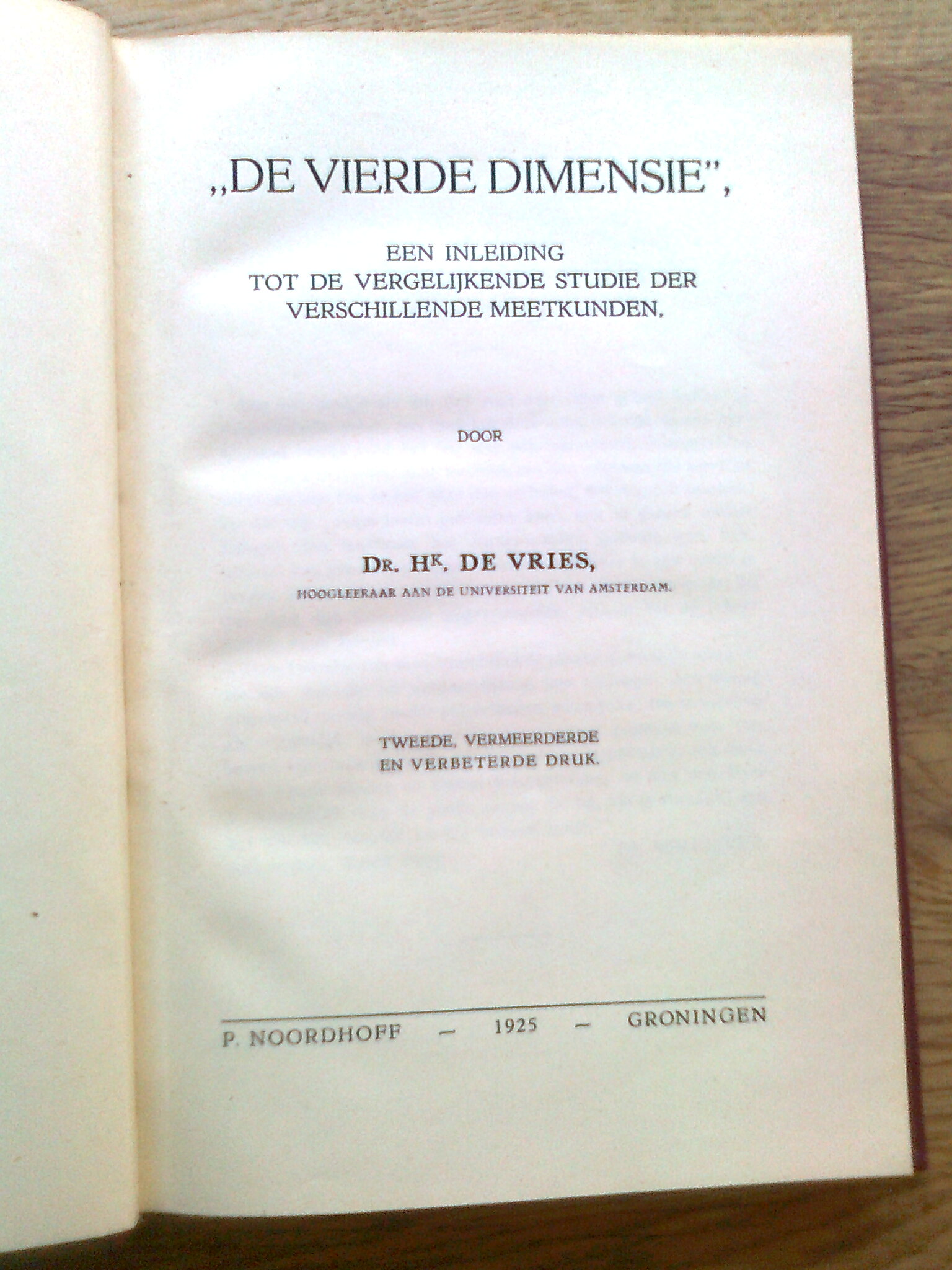
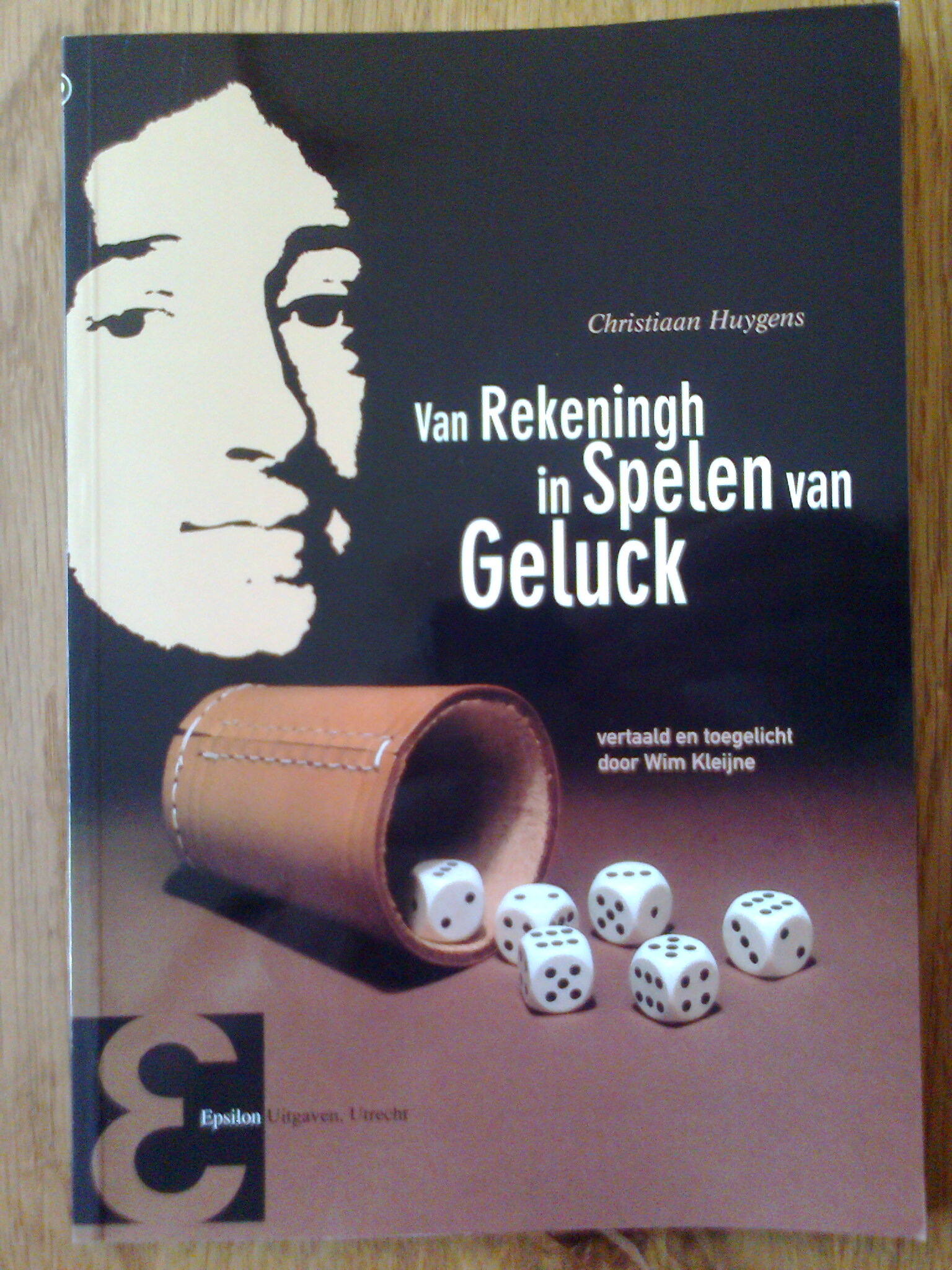
Georg MohrCompendium of Euclid's Curiosities:Dat is Meetkonstigh Passer-werck etc.Amsterdam 1673Compendium Euclidis Curiosi: or geometrical operations Translated by Joseph MoxonLondon 1677Introduction by Henrik MeyerPublished by The Georg Mohr Foundation
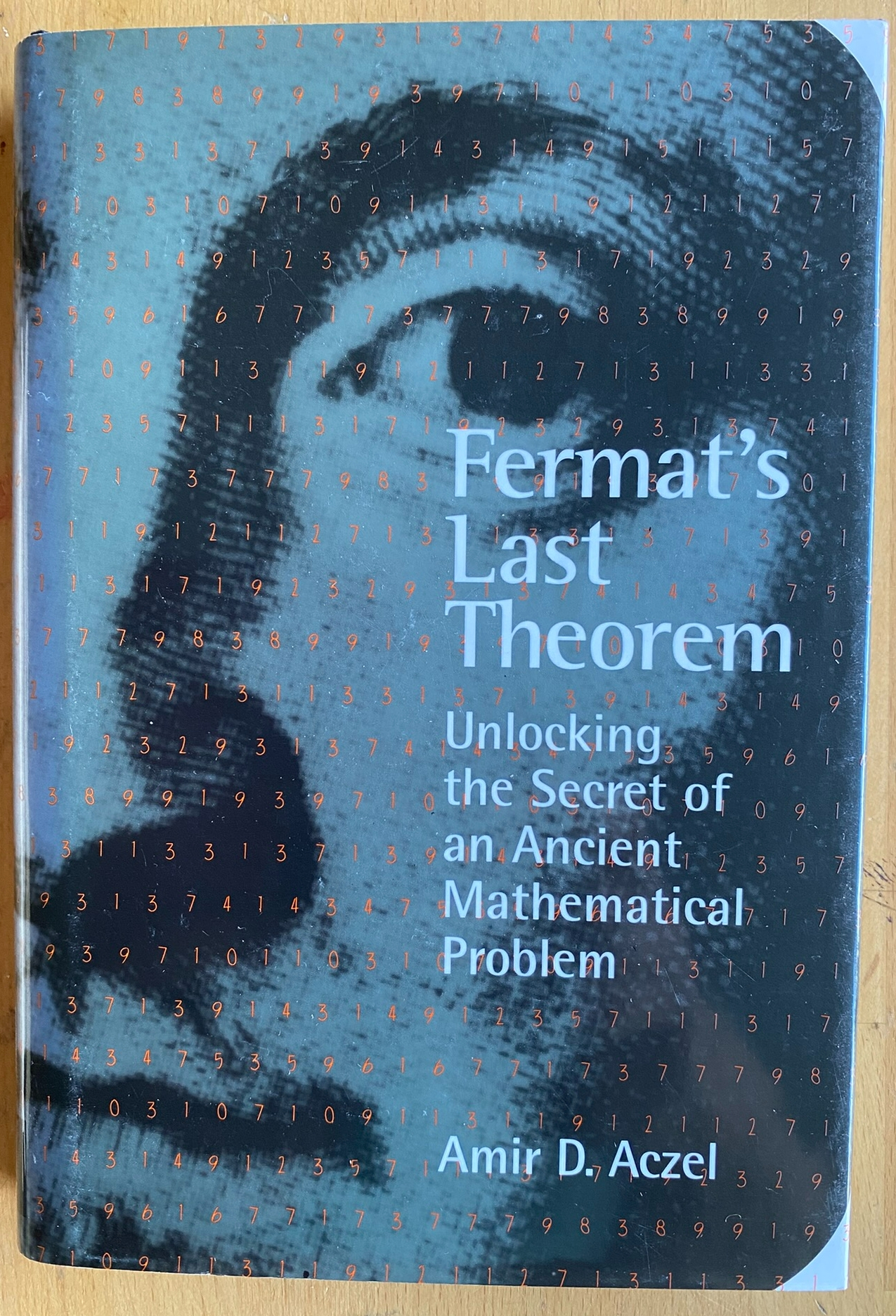
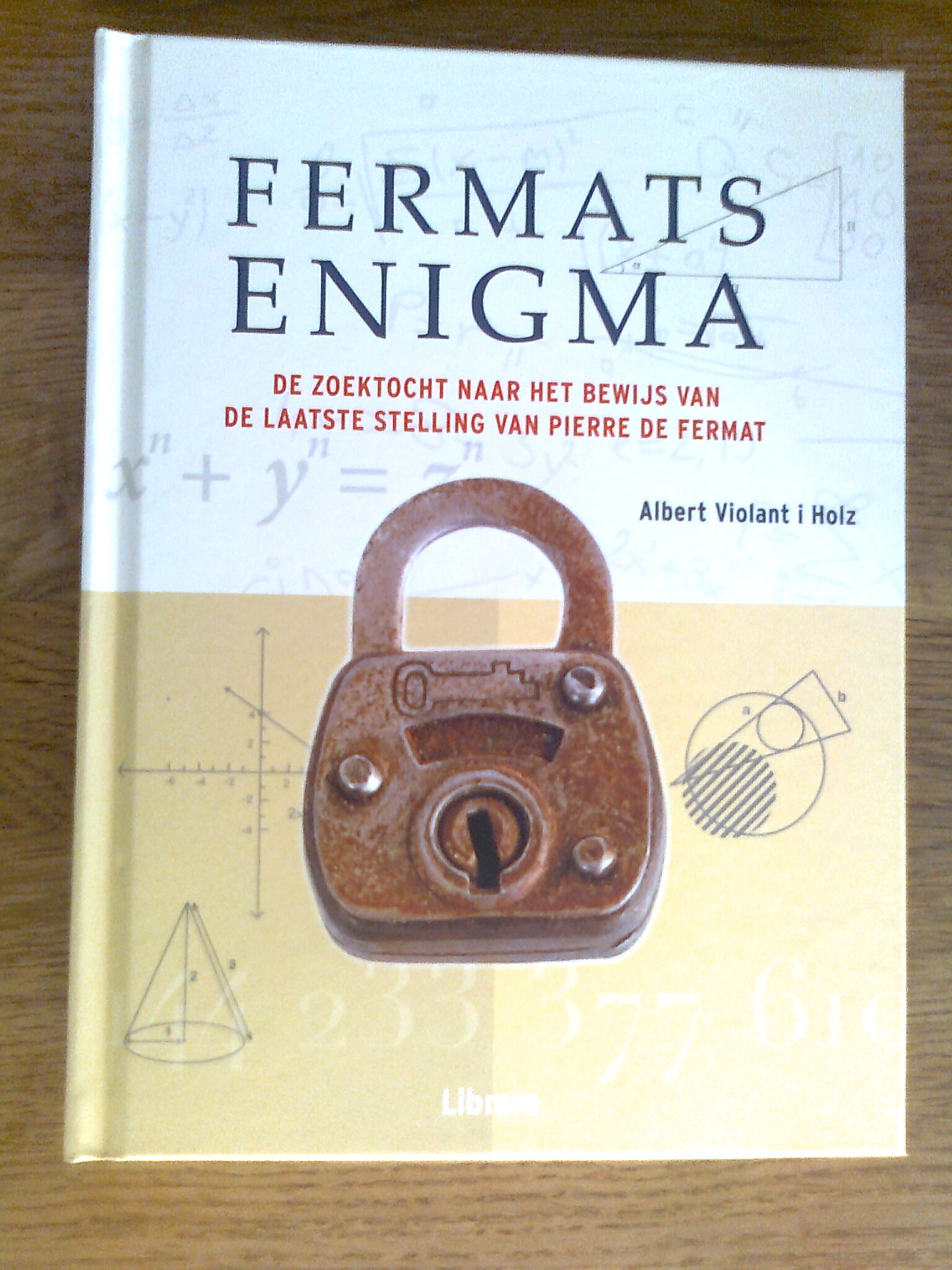
Over three hundred years ago a French scholar scribbled a simple theorem in the margin of a book. It would become the world's most baffling mathematical mystery.Simple elegant and utterly impossible to prove Fermat's Last Theorem captured the imaginations of amateur and professional mathematicians for over three centuries. For some it became a wonderful passion. For others it was an obsession that led to deceit intrigue or insanity. In a volume filled with the clues red herrings and suspense of ...
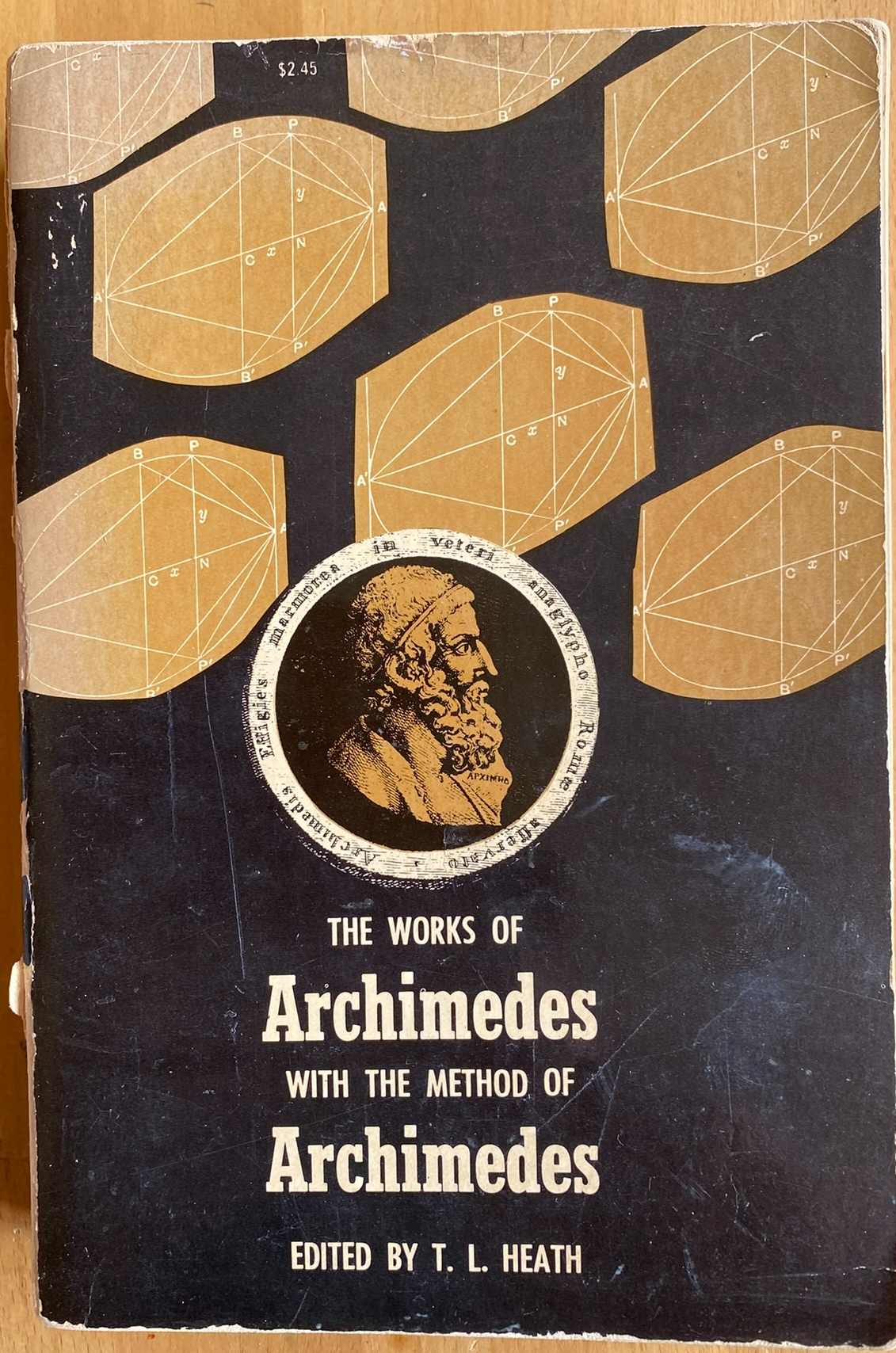
On the Sphere and Cylinder book IOn the Sphere and Cylinder book IIMeasurement of a CircleOn Conoids and SpheroidsOn SpiralsOn the Equilibrium of Planes book IOn the Equilibrium of Planes book IIThe Sand-ReckonerQuadrature of the ParabolaOn Floating Bodies book IOn Floating Bodies book IIBook of LemmasThe Cattle-ProblemSupplement: The Method of Archimedes
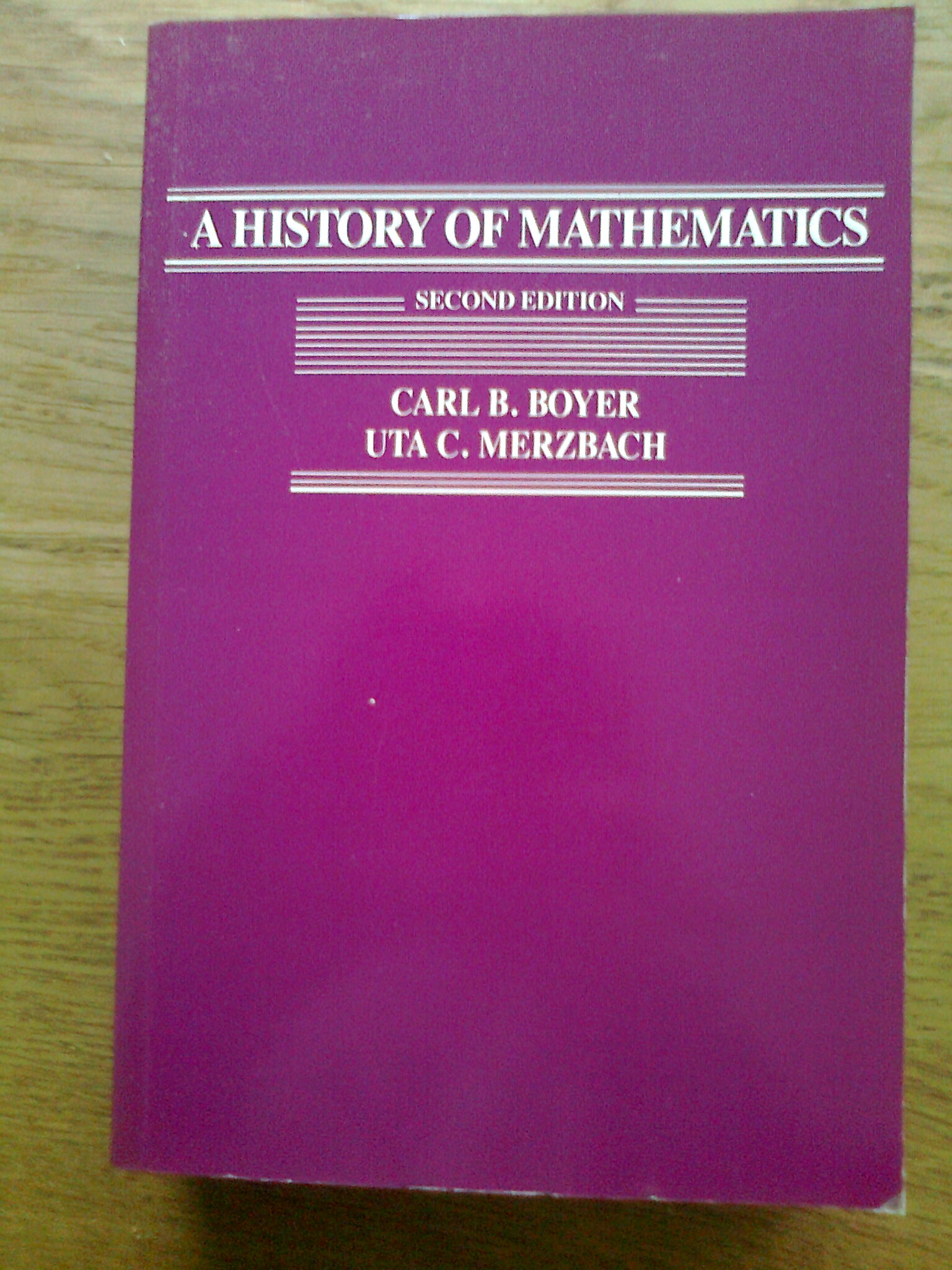
I. Primitive Origins II. EgyptIII. MesopotamiaIV. Ionia and the PythagoreansV. The Heroic AgeVI. The Age of Plato and AristotleVII. Euclid of AlexandriaVIII. Archimedes of SyracuseIX. Apollonius of PergaX. Greek Trigonometry and MensurationXI. Revival and Decline of Greek MathematicsXII. China and India XIII. The Arabic Hegemony XIV. Europe in the Middle Ages XV. The Renaissance XVI. Prelude to Modern MathematicsXVII. The Time of Fermat and DescartesXVIII. A Transitional Period XIX. Newton and L...
I. Prehistoric mathematicsII. The Historic Period Down to 1000 B.C.III. The Period From 1000 B.C. to 300 B.C.IV. The Period From 300 B.C. to 500 A.D.V. The Period From 500 to 1000VI. The Occident From 1000 to 1500VII. The Orient From 1000 to 1500VIII. The Sixteenth CenturyIX. The Seventeenth CenturyX. The Eightteenth Century and AfterI. Development of the ArithmeticaII. Logistic of Natural NumbersIII. Mechanical Aids to CalculationIV. Artificial NumbersV. GeometryVI. AlgebraVII. Elementary Probl...
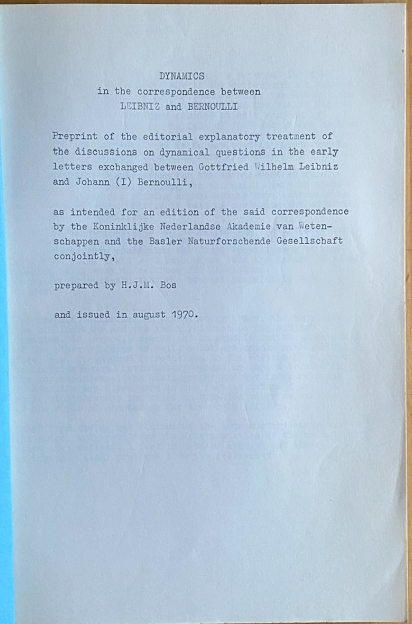
Dynamics in the correspondence between LEIBNIZ and BERNOULLIPreprint of the editorial explanatory treatment of the discussions on dynanical questions in the early letters exchanged between Gottfried Wilhelm Leibniz and Johann (I) Bernoulli as intended for an edition of the said correspondence by the Royal Netherlands Academy of Sciences and the Basler Natural Research Society jointly prepared by H.J.M. Bosand issued in august 1970
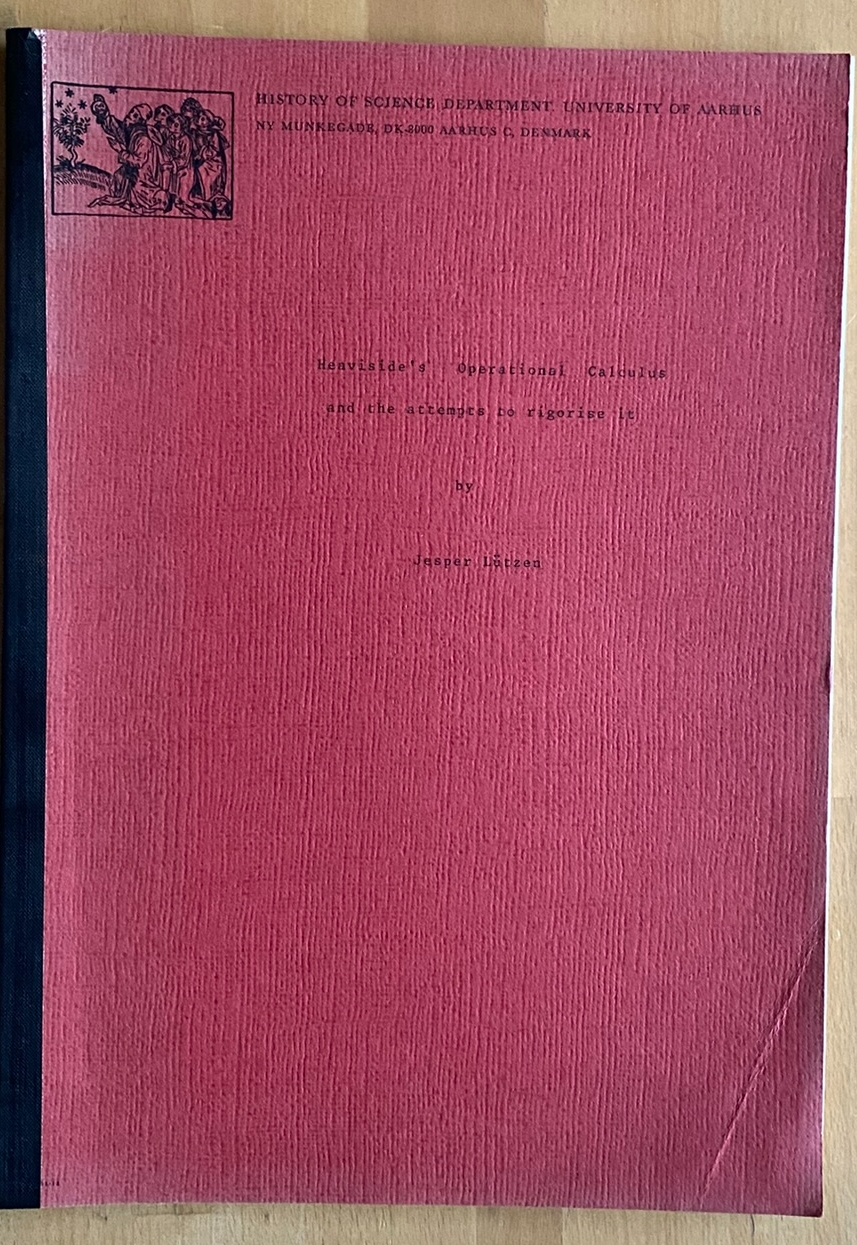
History Of Science Department. University Of AarbusNy Munkegade Dk-3000 Aarhus C DenmarkHeaviside's Operational Calculus And The Attempts To Rigorise ItJesper Lutzen
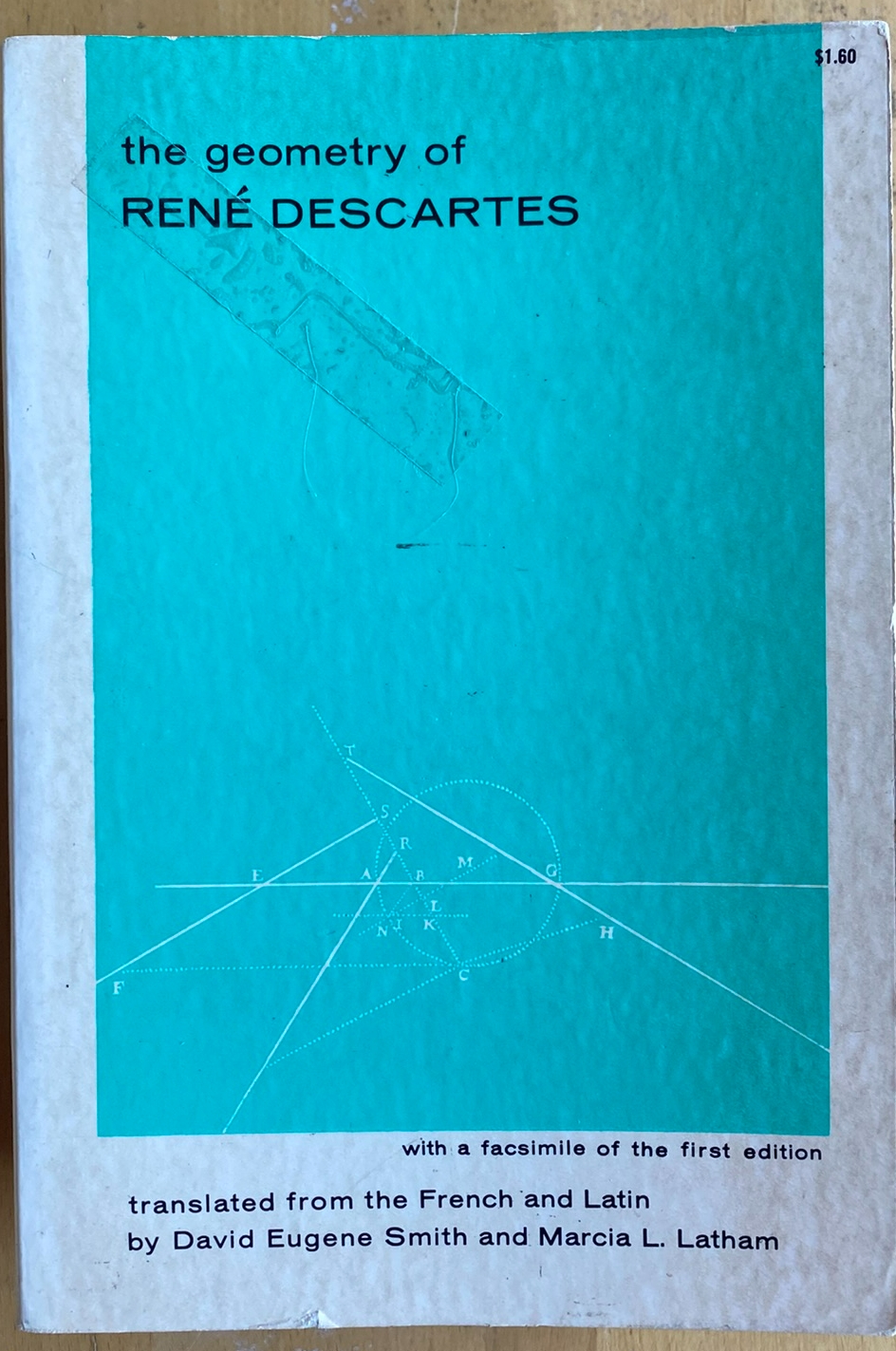
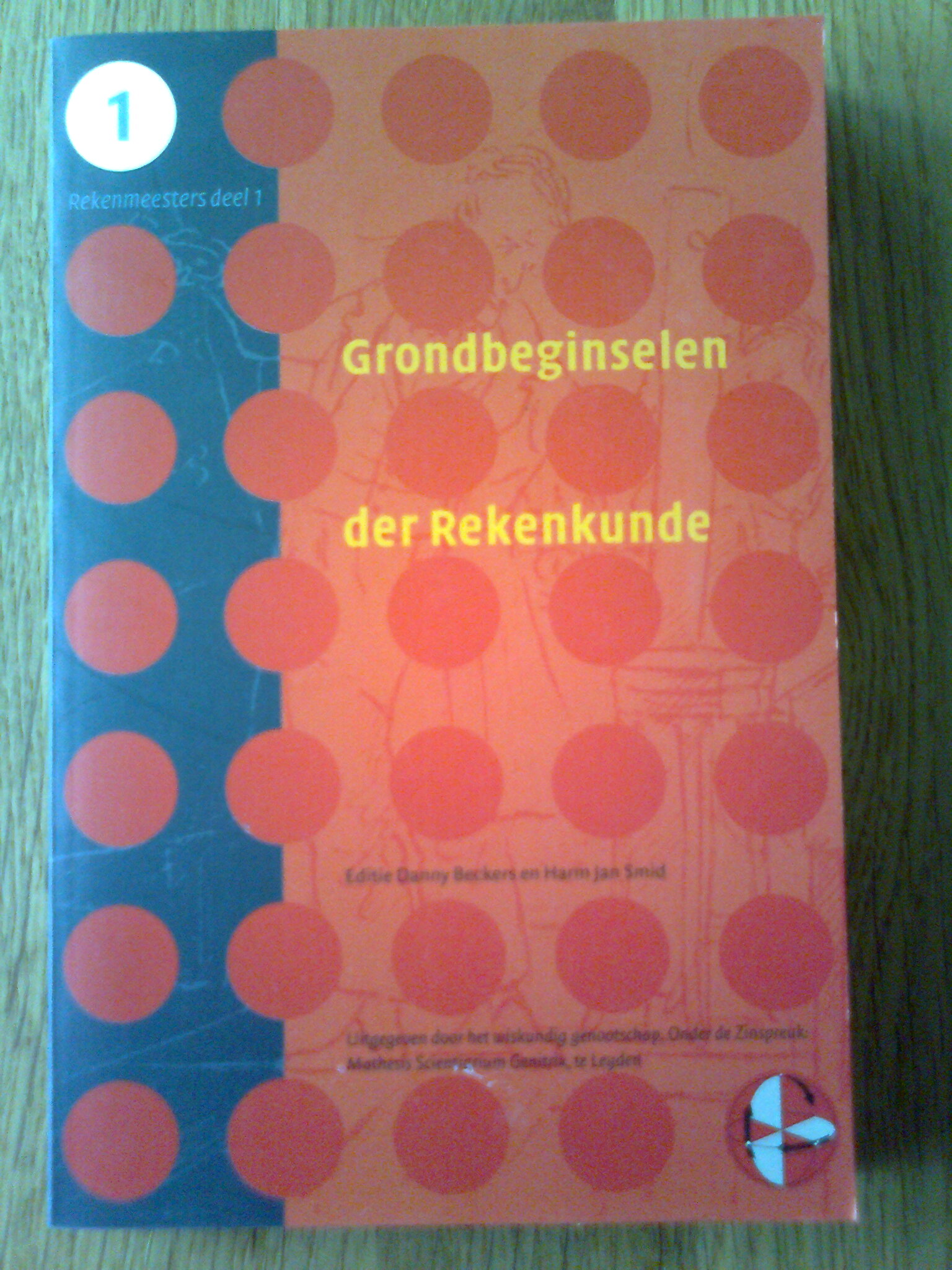
With a facsimile of the first editionTranslated from the French and Latin by D.E. Smith and Marcia L. LathamBook I: Problems the Construction of which Requires Only Straight Lines and CirclesBook II: On the Nature of Curved LinesBook III: On the Construction of Solid or Supersolid Problems
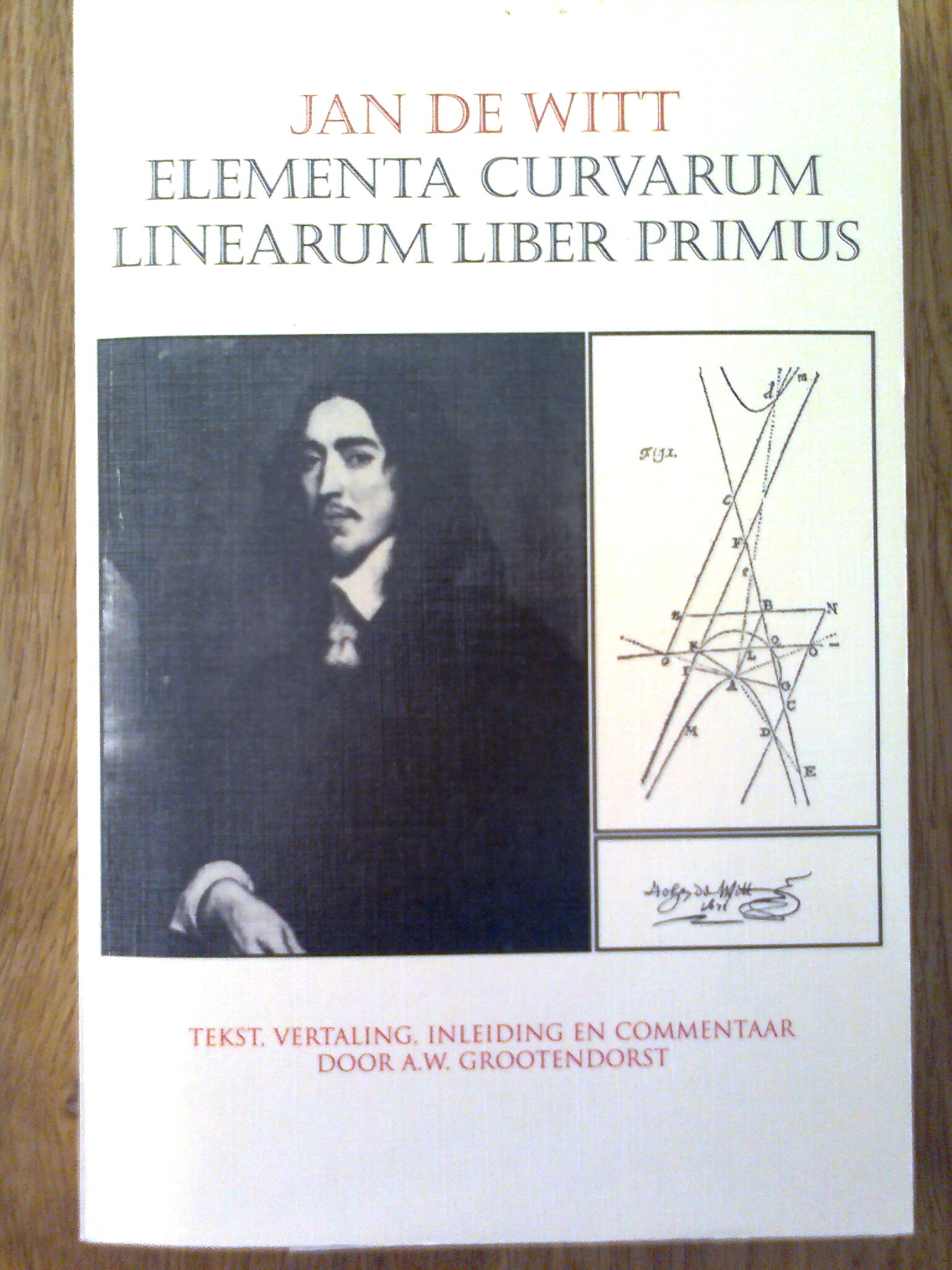
Tekst vertaling inleiding en commentaar door A.W. Grootendorst1. Inleiding2. Samenvatting3. Tekst en vertaling4. Aantekeningen bij de vertalingAppendix IAppendix II
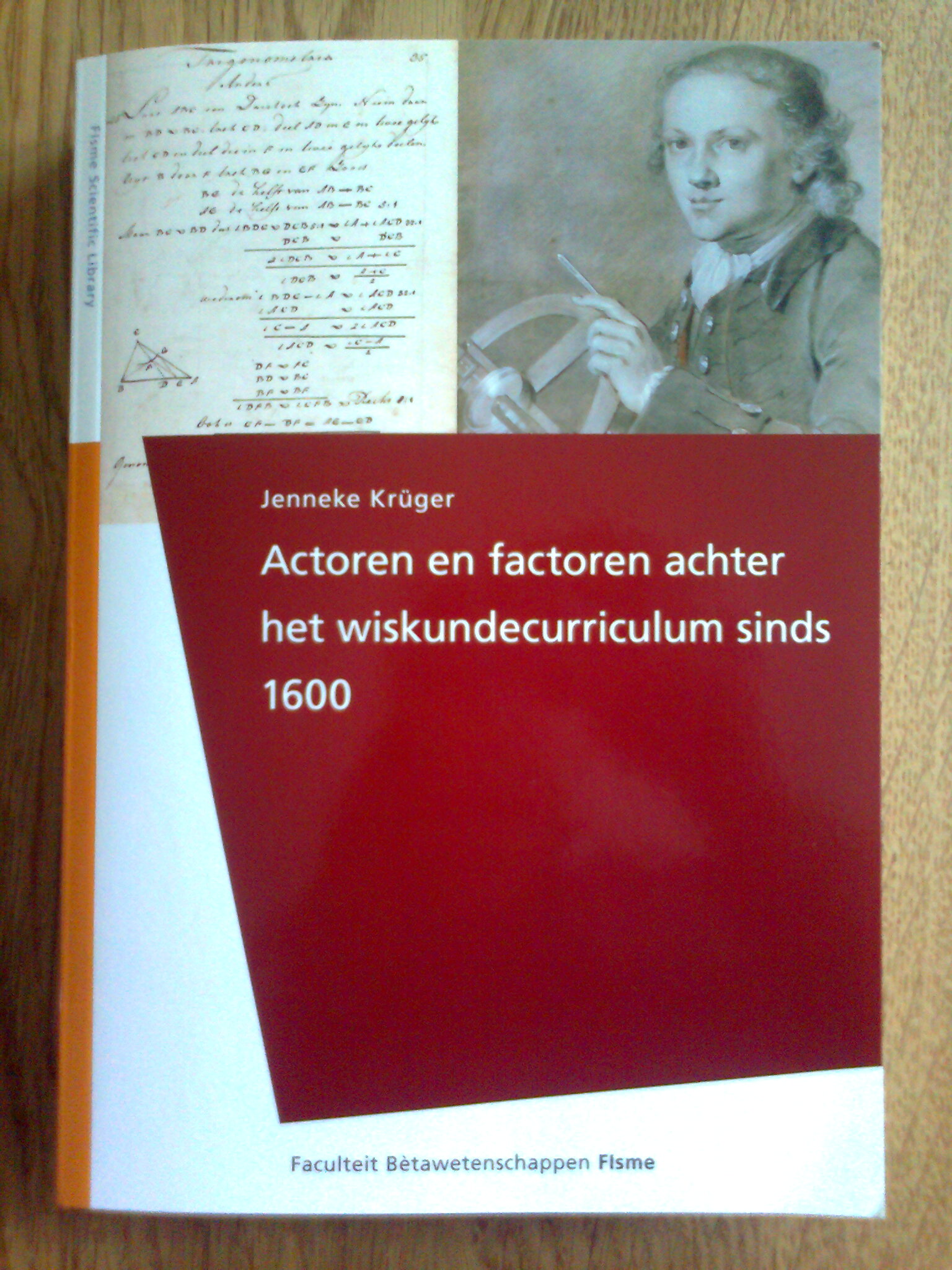
ProefschriftI InleidingII De Duytsche Mathematiue in Leiden 1600–1681III De Fundati van Renswoude in Utrecht 1756–1810IV De HBS in Nederland 1863–1900V Lessen voor de 21e eeuw
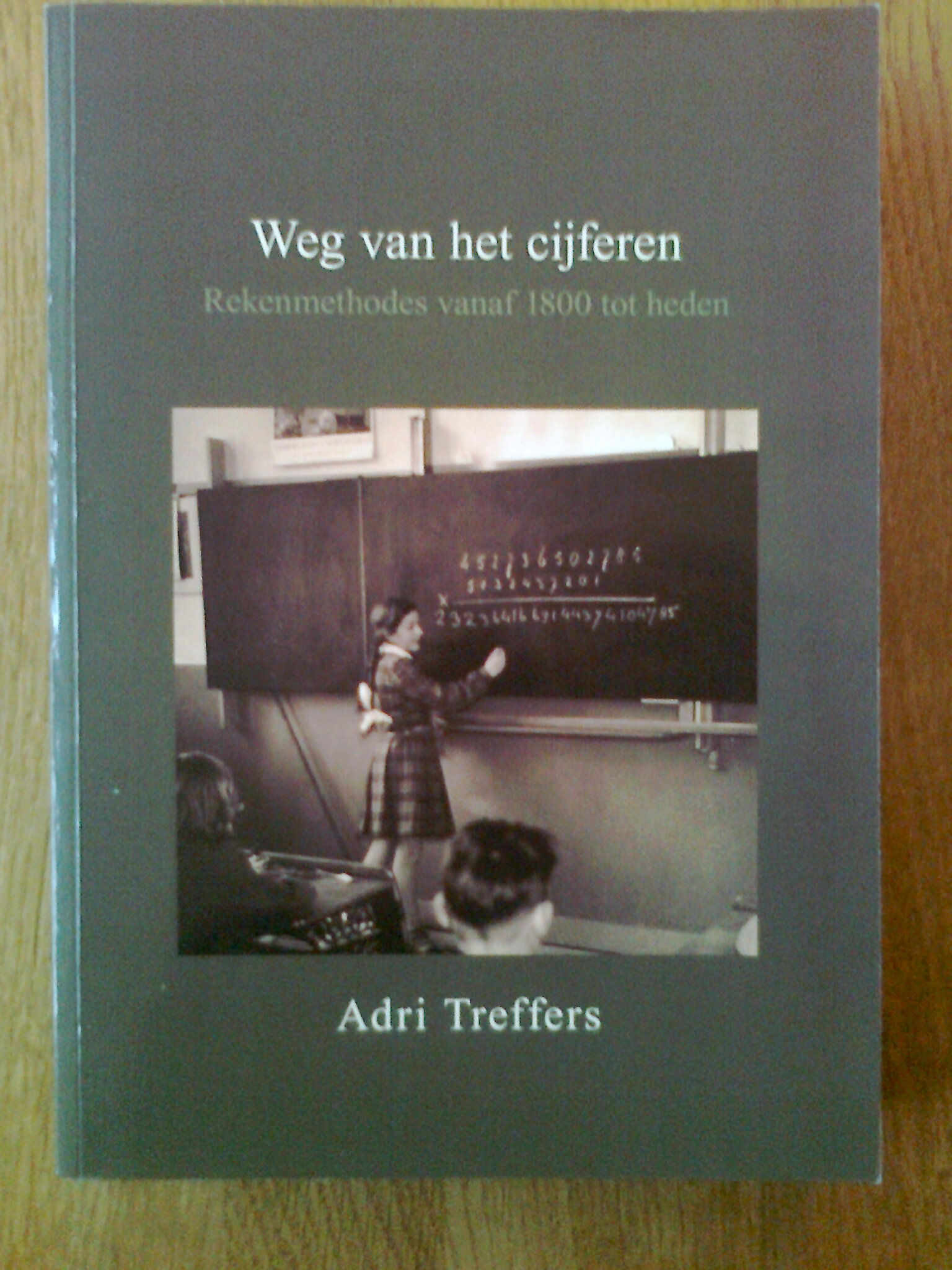
1. Mechanische methodiek 1800-18752. Opkomst heuristische rekenmethodes 1875-19003. Pendelen tussen Bartjens en Versluys 1900-19504. Richtingen in het traditionele rekenen 1950-19855. Naar een nationaal rekenprogramma 1985-19906. De stille rekenrevolutie 1990-20107. Overzicht 1800-2010Appendix: Balans van de vernieuwing 1985-2010
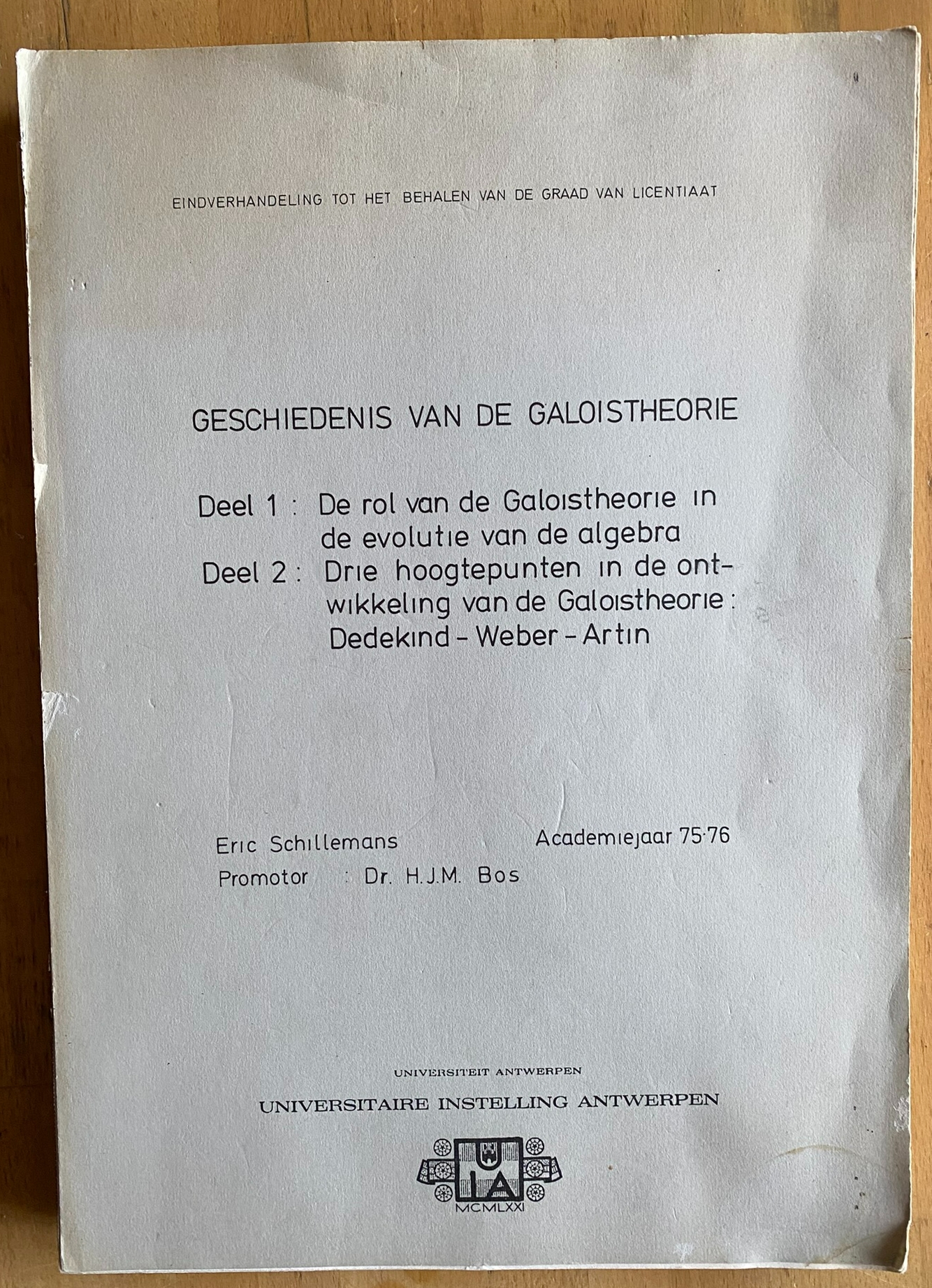
Eindverhandeling Tot Het Behalen Van De Graad Van LicentiaatGeschiedenis Van De GaloistheorieDeel 1: De Rol Van De Galoistheorie In De Evolutie Van De AlgebraDeel 2: Drie Hoogtepunten In De Ontwikkeling Van De Galoistheorie: Dedekind - Weber - ArtınEric SchillemansAcademiejaar 75-76Promotor Dr. H.J.M. BosUniversiteit AntwerpenUniversitaire Instelling Antwerpen
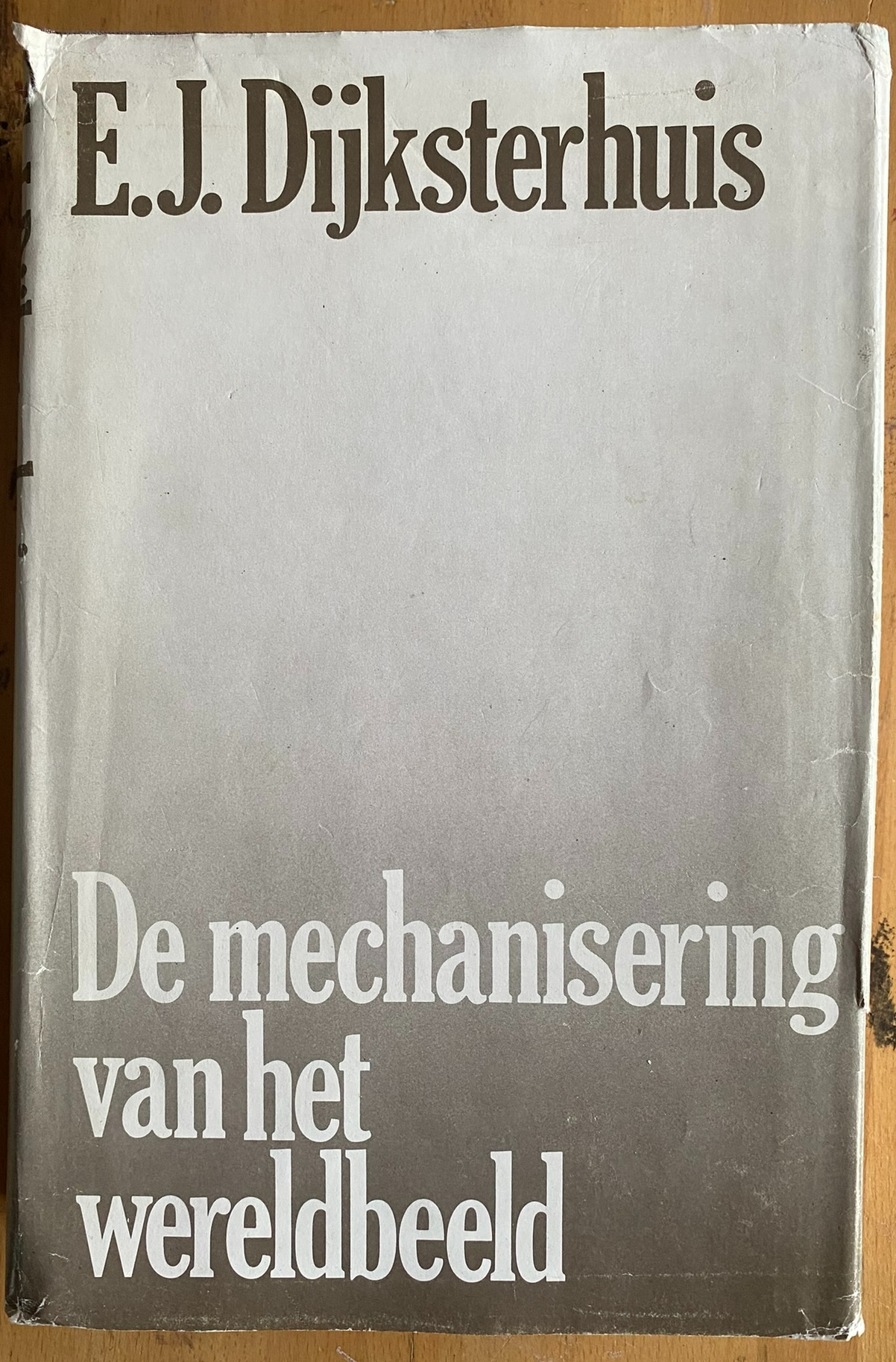
I. Het erfgoed der oudheidII. De natuurwetenschap in de middeleeuwenIII. De voorbereiding van het ontstaan der klassieke natuurwetenschapIV. De geboorte der klassieke natuurwetenschapV. Slotbeschouwing
Revised by Uta C. Merzbach1. Origins 2. Egypt3. Mesopotamia4. Ionia and the Pythagoreans5. The Heroic Age6. The Age of Plato and Aristotle7. Euclid of Alexandria8. Archimedes of Syracuse9. Apollonius of Perga10. Greek Trigonometry and Mensuration11. Revival and Decline of Greek Mathematics12. China and India 13. The Arabic Hegemony 14. Europe in the Middle Ages 15. The Renaissance 16. Prelude to Modern Mathematics17. The Time of Fermat and Descartes18. A Transitional Period 19. Newton and Leibni...
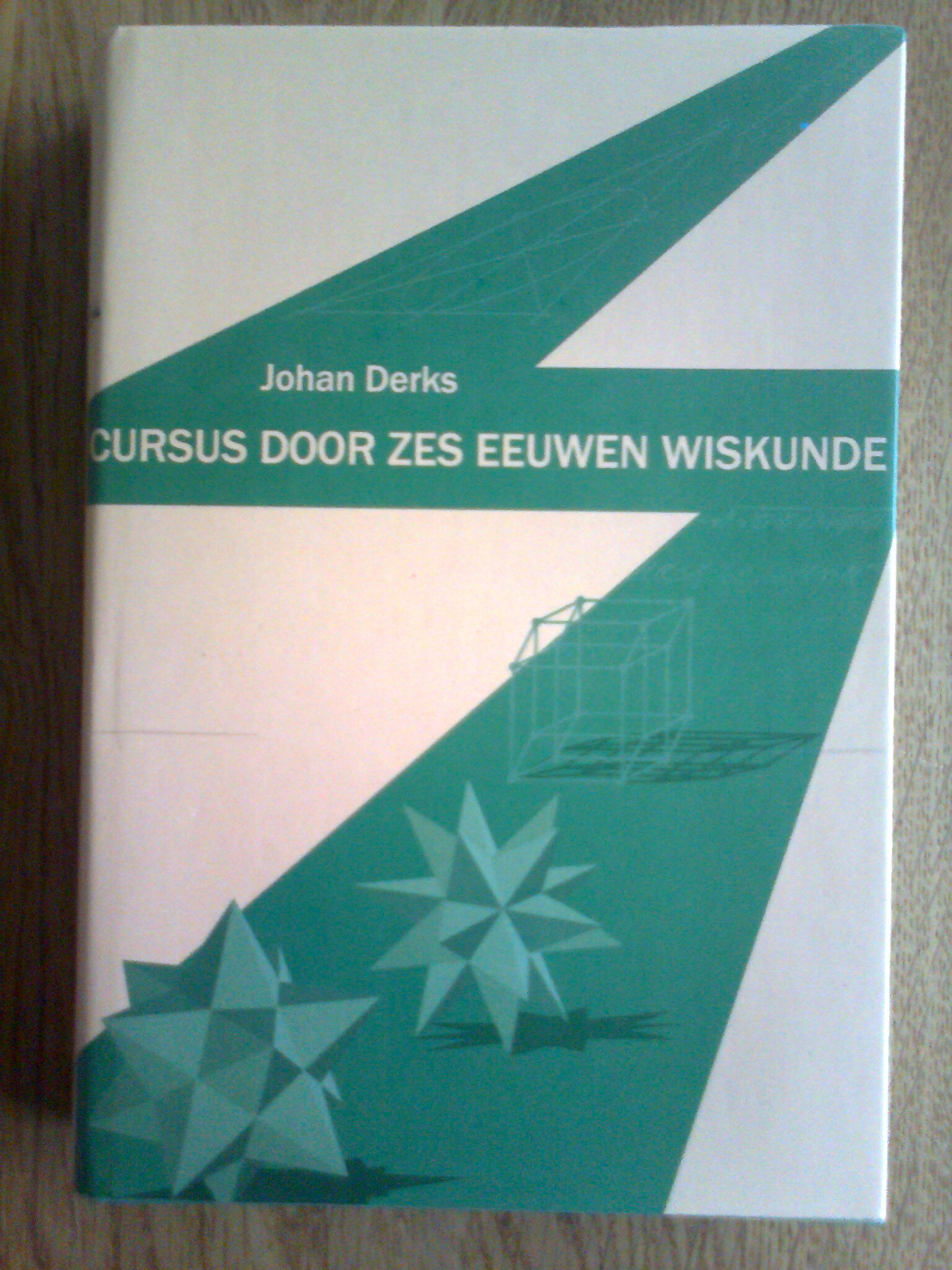
In dit boek beschrijft Johan Derks talloze wiskundige ontdekkingen die vanaf 1300 gedaan zijn door mannen als Descartes (analytische meetkunde) Fermat (getaltheorie) Pascal (kansrekening) en Newton (differentiaalrekening) totdat de wiskunde in de achttiende eeuw vooral dankzij het succes van de reeksontwikkeling (Euler) een zelfstandige wetenschap werd. Het belang van de exacte wetenschappen voor de industriele ontwikkeling nam sterk toe. Overal werden universiteiten opgericht wetenschappelijke ...
Eureka - eindelijk!' Met deze kop vierde The New York Times in 1993 een van de opzienbarendste prestaties in de wiskunde: het bewijs voor de laatste stelling van Fermat. Meer dan drie eeuwen beten wiskundigen zich de tanden stuk op dit zo onschuldig ogende raadsel. Niemand kon het oplossen. De miljoenen uren onderzoek door grote denkers noch de duizenden pagina's in wetenschappelijke tijdschriften leverden enig succes op. De stelling bleef een van de fascinerendste geheimen een ondoorgrondelijke...
€5
0 biedingen
De veiling website gebruikt functionele cookies. We gebruiken Google ReCaptcha (v2) om spambots tegen te gaan. Als je doorgaat stem je in met het gebruik van deze cookies.