About the Contributions of Greece and Rome to the Beginnings of MathematicsI. Preliminary SurveyII. The Contributions in DetailIII. Influence of the ContributionsIV. Conclusion
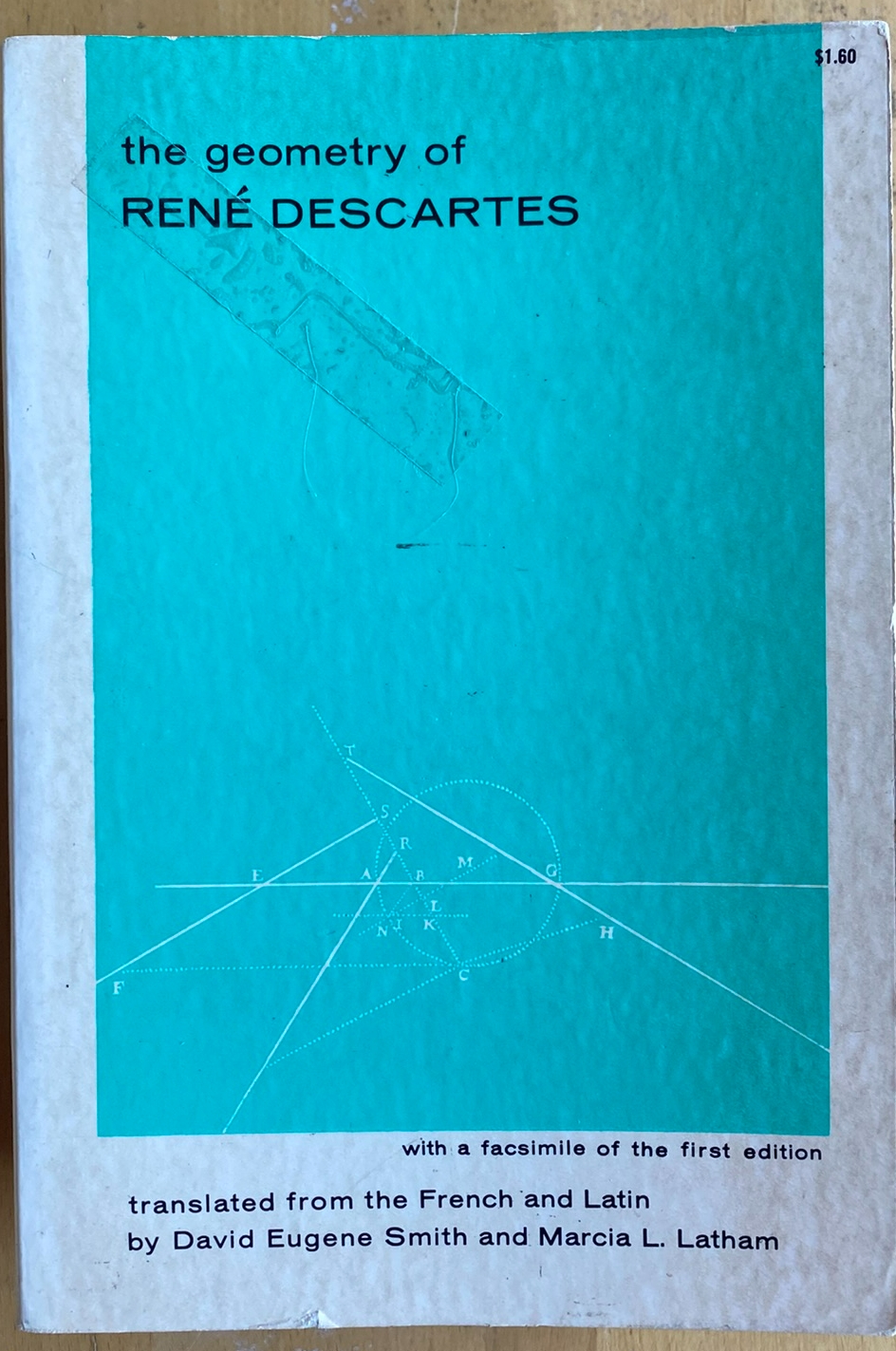
With a facsimile of the first editionTranslated from the French and Latin by D.E. Smith and Marcia L. LathamBook I: Problems the Construction of which Requires Only Straight Lines and CirclesBook II: On the Nature of Curved LinesBook III: On the Construction of Solid or Supersolid Problems
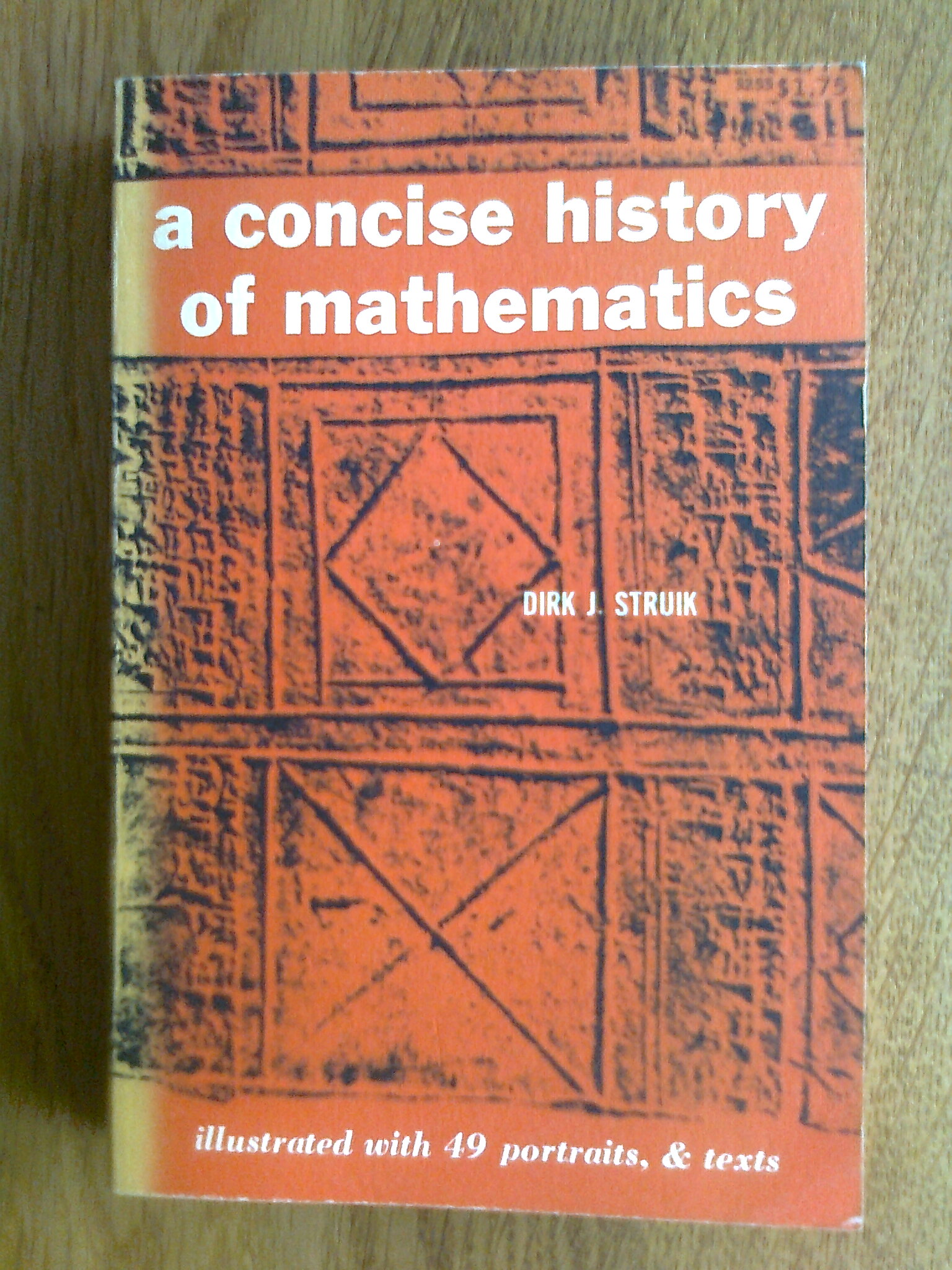
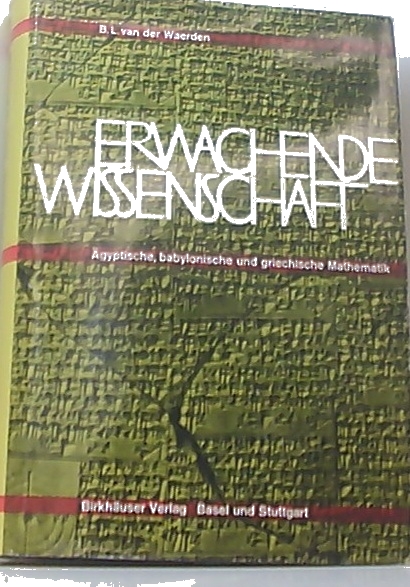
IntroductionThe BeginningsThe Ancient OrientGreeceThe Orient after the Decline of Greek SocietyThe Beginnings in Western EuropeThe Seventeenth CenturyThe Eightteenth CenturyThe Nineteenth Century
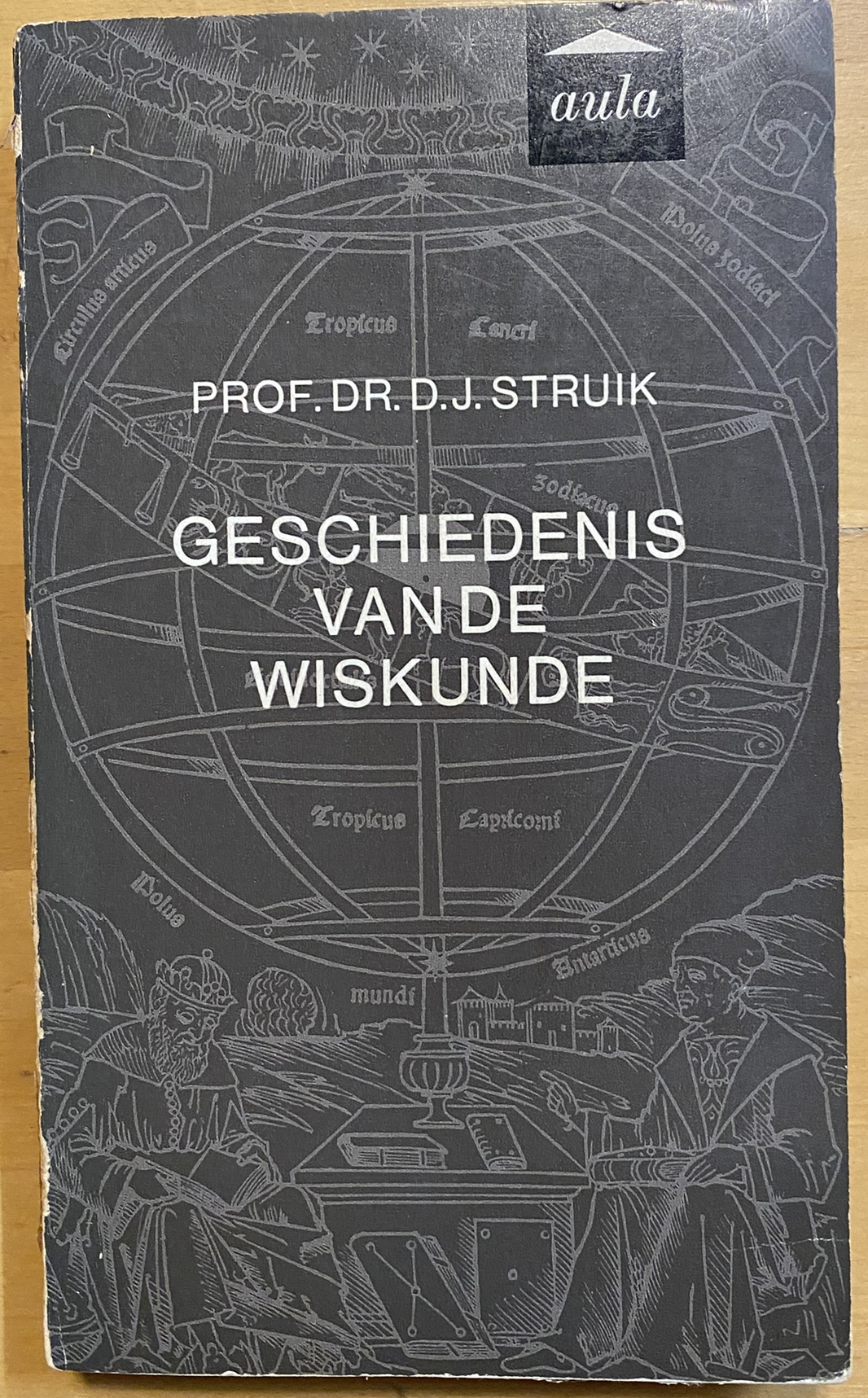
Woord voorafI. Het beginII. Het oude OostenIII. GriekenlandIV. Het Oosten na het verval van de Griekse maatschappijV. Het begin in West-EuropaVI. De zeventiende eeuwVII. De achttiende eeuwVIII. De negentiende eeuw
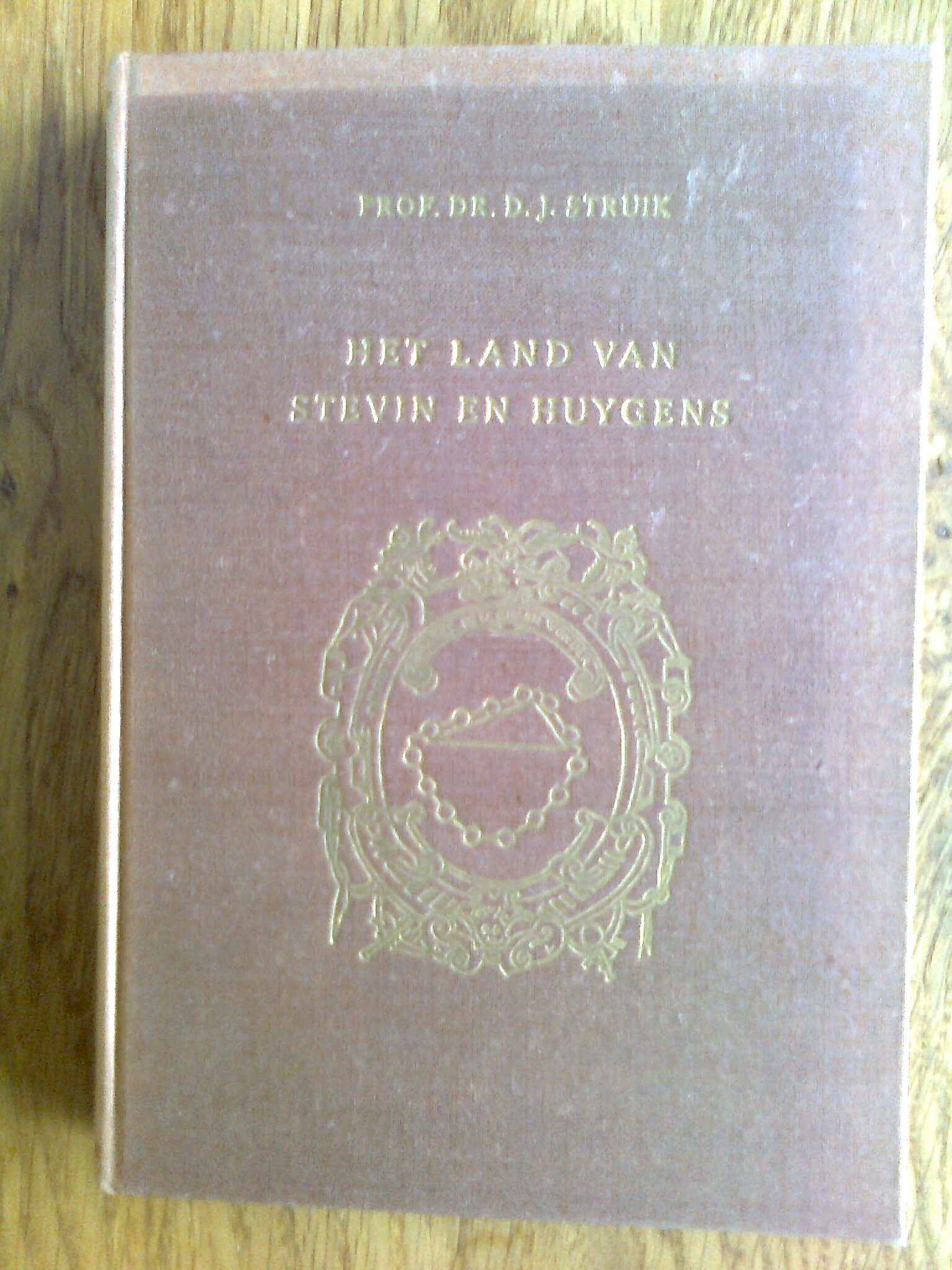
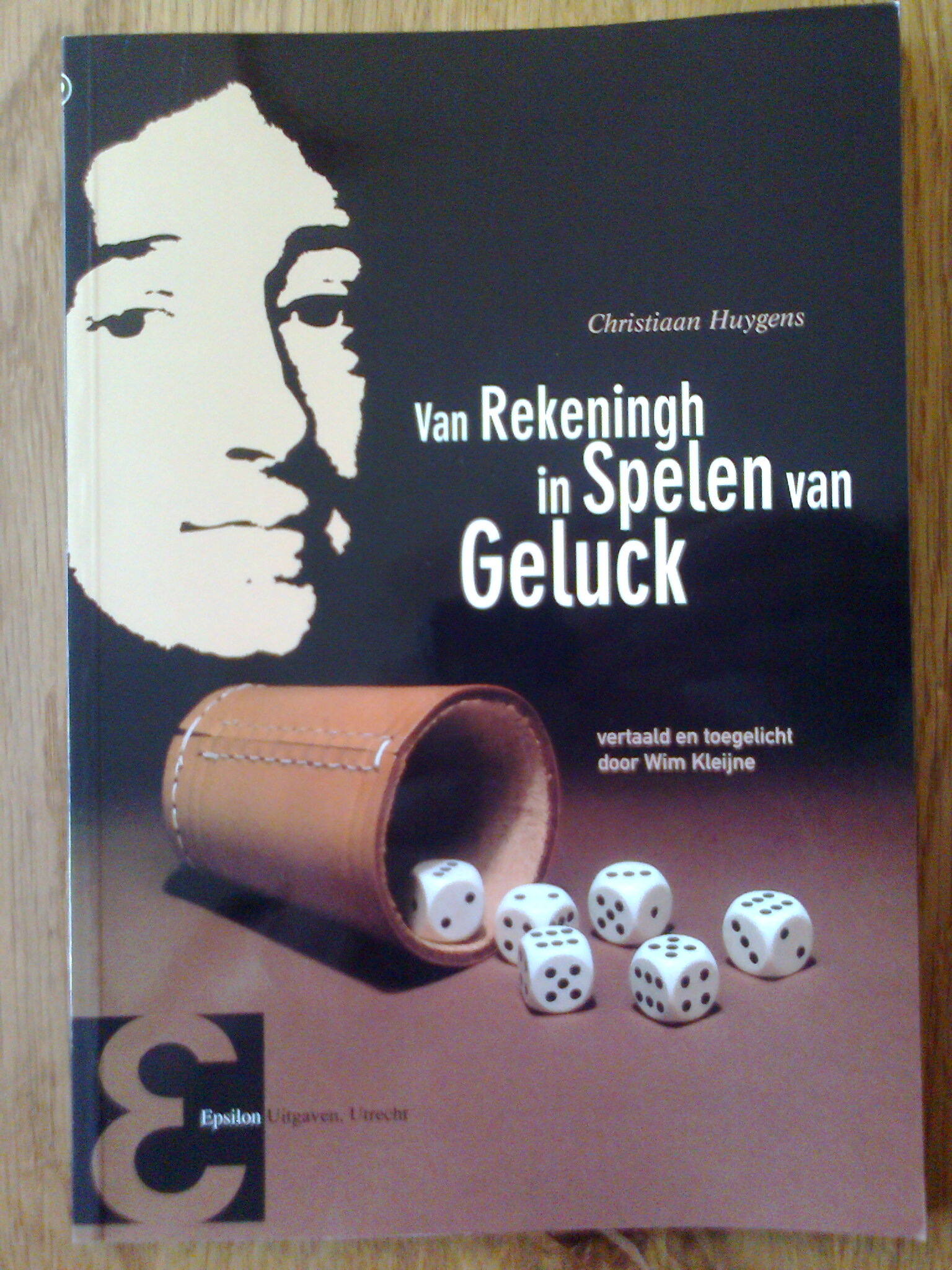
I. De jonge RepubliekII. De oude wetenschapIII. De overgangstijdIV. De Hollandse reken- en scheepvaartmeestersV. Simon StevinVI. De nieuwe wetenschapVII. DescartesVIII. Christiaan HuygensIX. De levende wereldX. Koloniale wetenschap
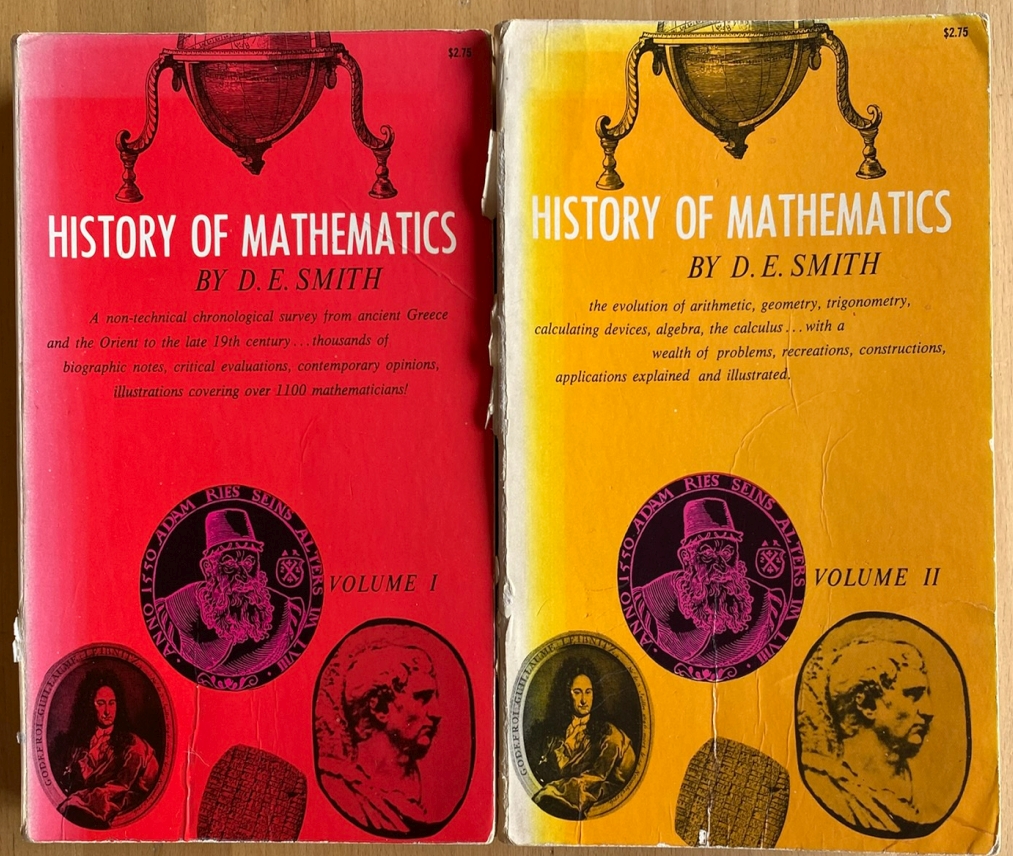
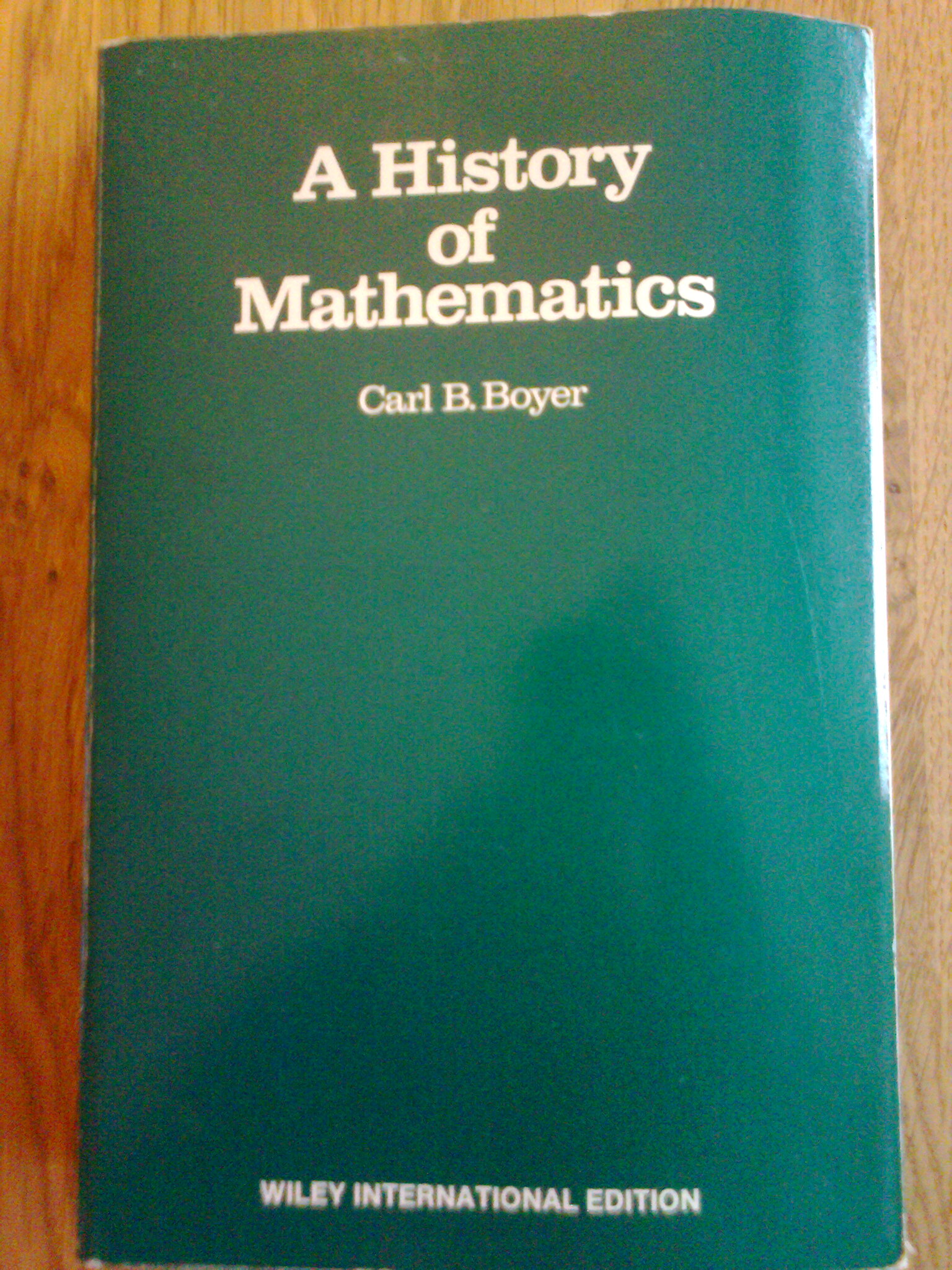
I. Primitive Origins II. EgyptIII. MesopotamiaIV. Ionia and the PythagoreansV. The Heroic AgeVI. The Age of Plato and AristotleVII. Euclid of AlexandriaVIII. Archimedes of SyracuseIX. Apollonius of PergaX. Greek Trigonometry and MensurationXI. Revival and Decline of Greek MathematicsXII. China and India XIII. The Arabic Hegemony XIV. Europe in the Middle Ages XV. The Renaissance XVI. Prelude to Modern MathematicsXVII. The Time of Fermat and DescartesXVIII. A Transitional Period XIX. Newton and L...
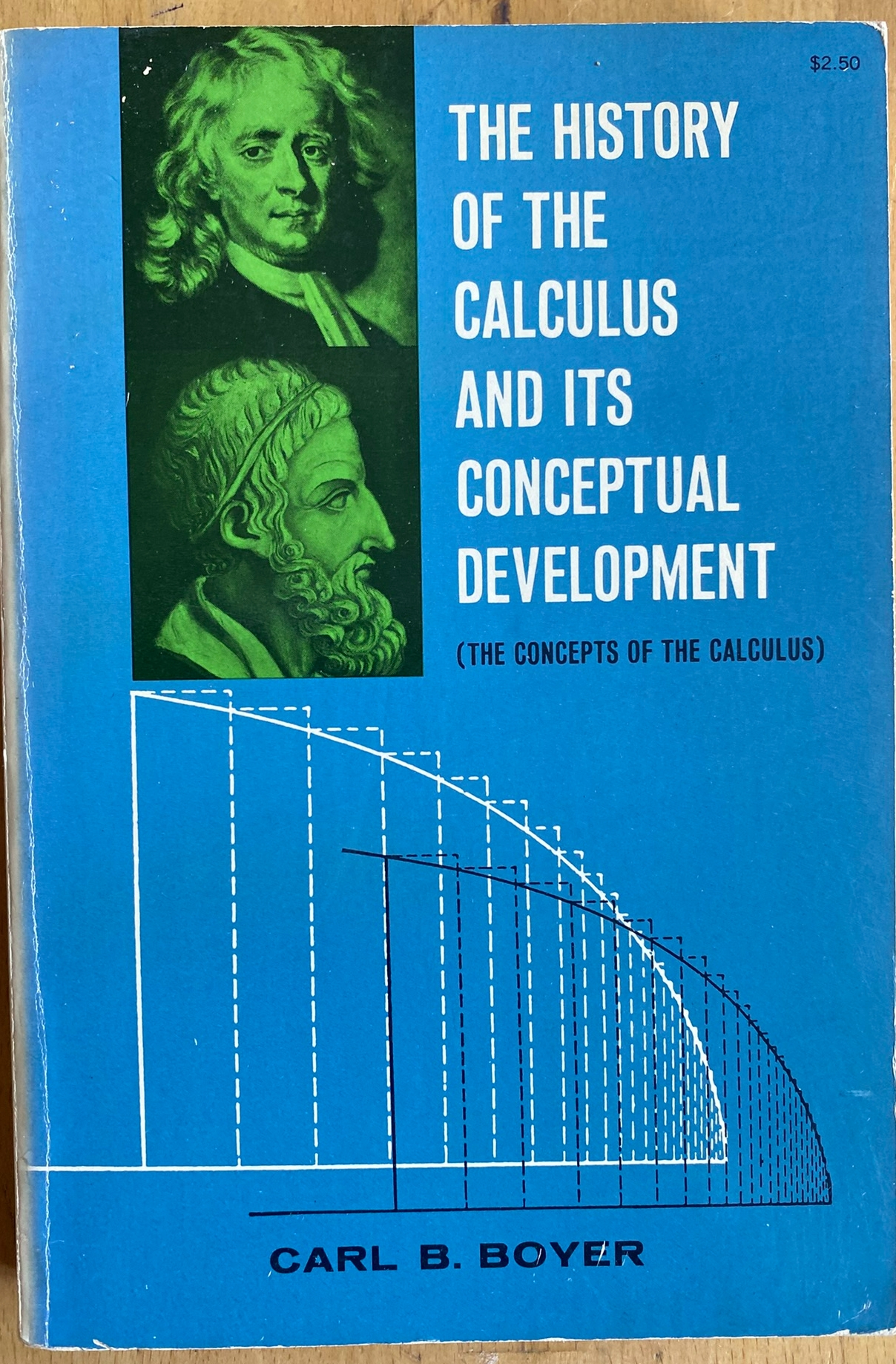
I. Introduction II. Conceptions in Antiquity III. Medieval Contributions IV. A Century of Anticipation V. Newton and Leibniz VI. The Period of Indecision VII. The Rigorous Formulation VIII. Conclusion
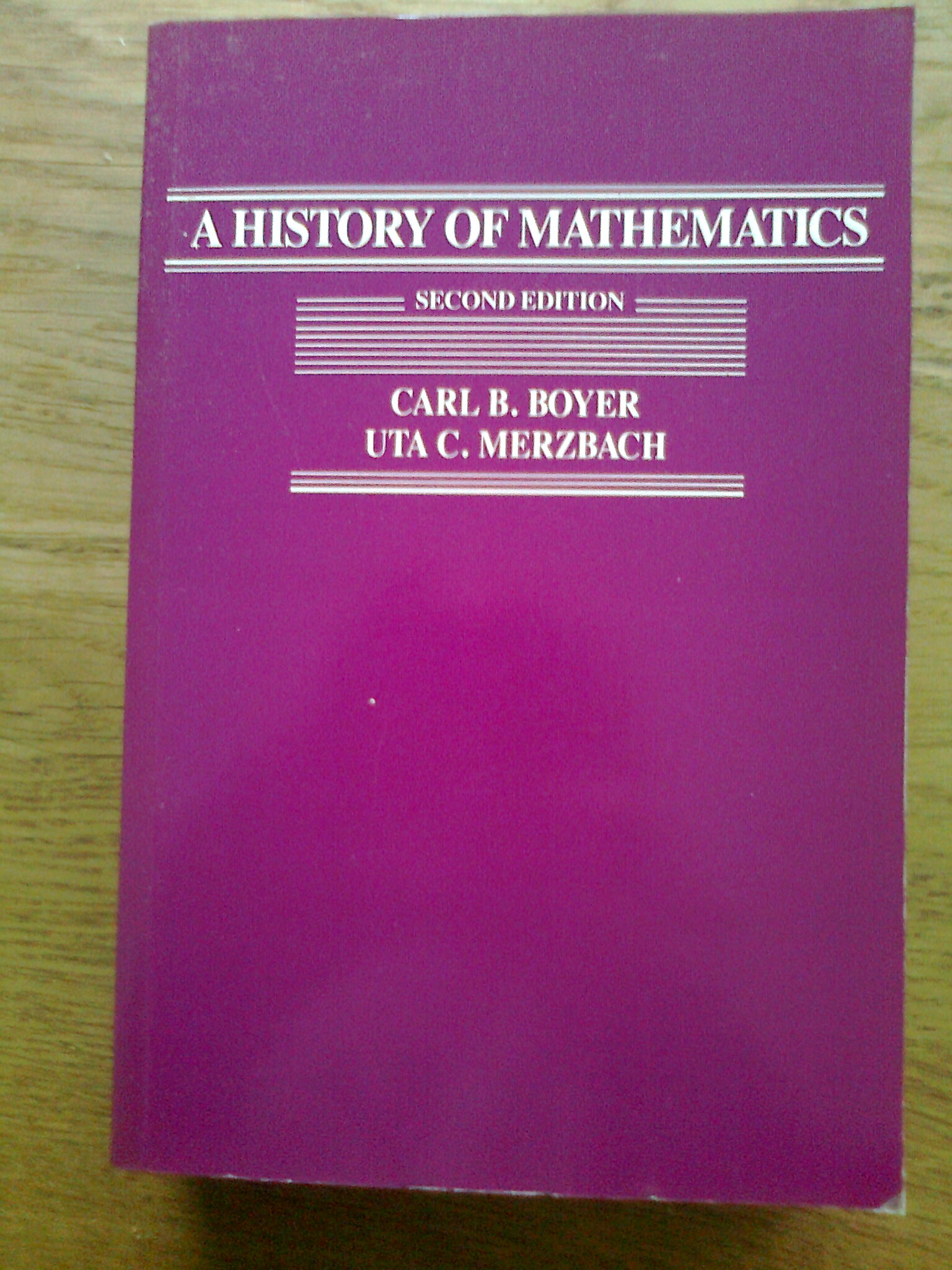
Revised by Uta C. Merzbach1. Origins 2. Egypt3. Mesopotamia4. Ionia and the Pythagoreans5. The Heroic Age6. The Age of Plato and Aristotle7. Euclid of Alexandria8. Archimedes of Syracuse9. Apollonius of Perga10. Greek Trigonometry and Mensuration11. Revival and Decline of Greek Mathematics12. China and India 13. The Arabic Hegemony 14. Europe in the Middle Ages 15. The Renaissance 16. Prelude to Modern Mathematics17. The Time of Fermat and Descartes18. A Transitional Period 19. Newton and Leibni...
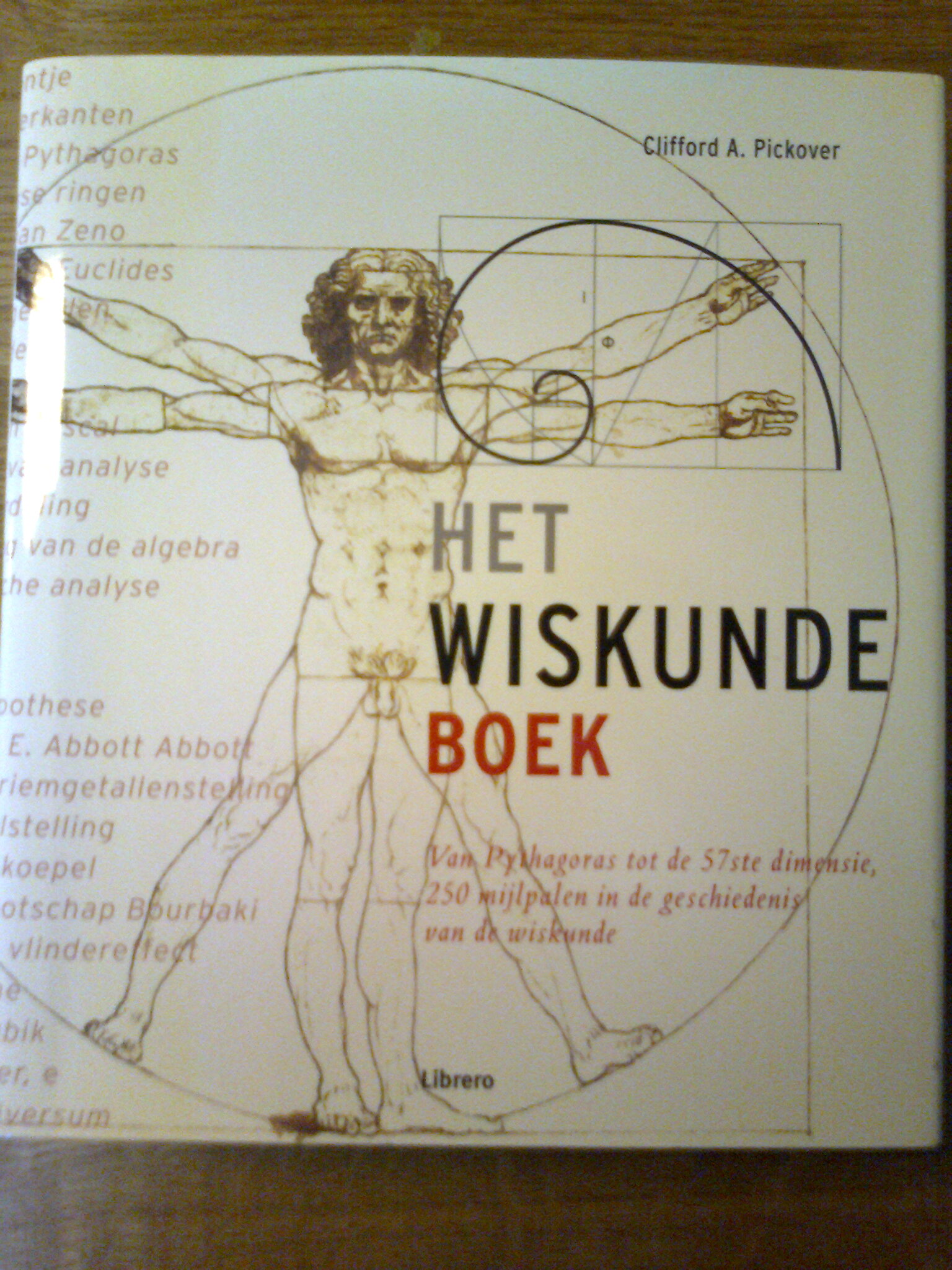
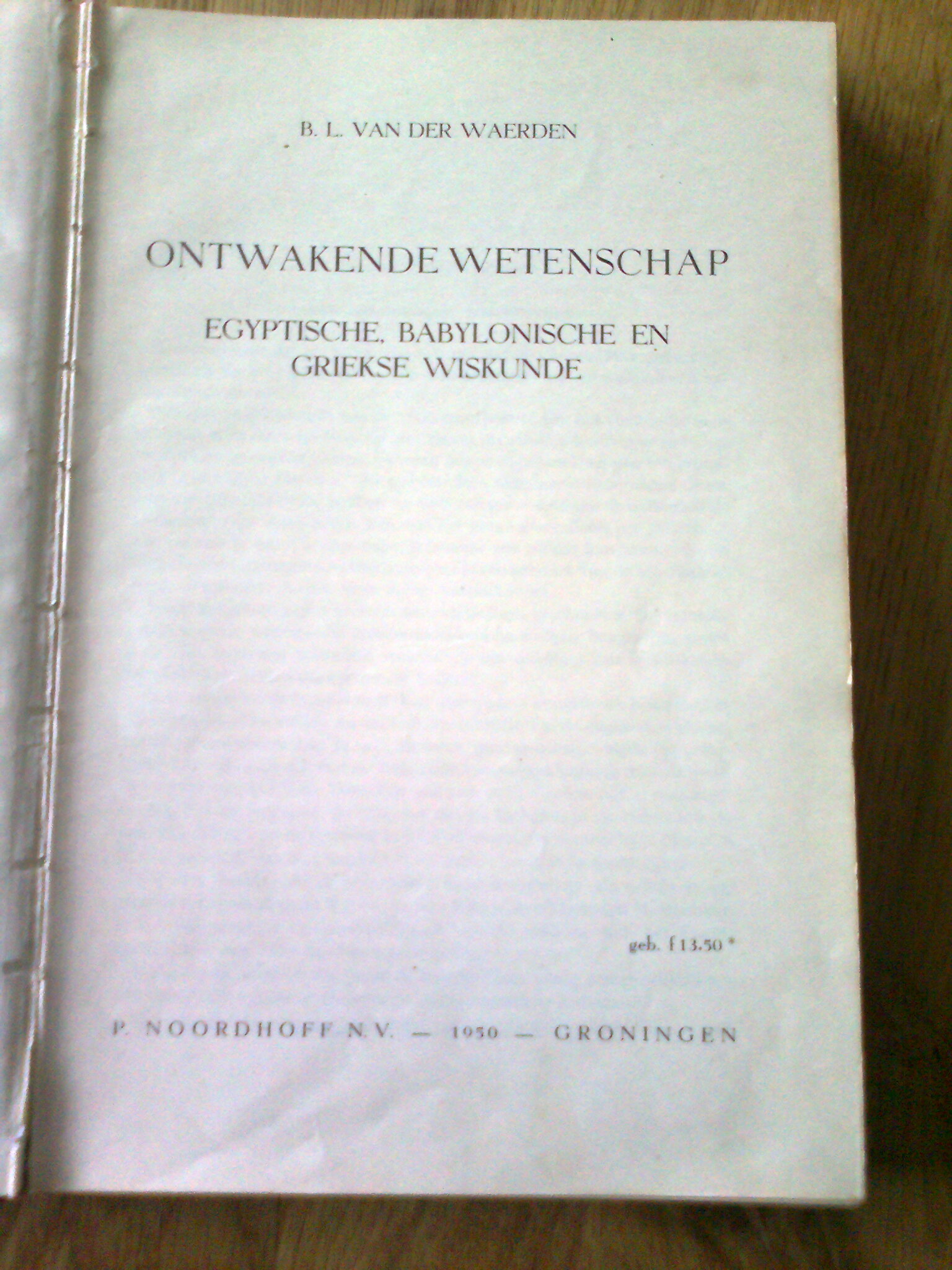
I. De EgyptenarenII. Talstelstels Cijfers en RekenkunstIII. Babylonische WiskundeIV. De eeuw van Thales en PythagorasV. De Gouden EeuwVI. De eeuw van PlatoVII. De Alexandrijnse tijdVIII. Het verval der Griekse wiskunde
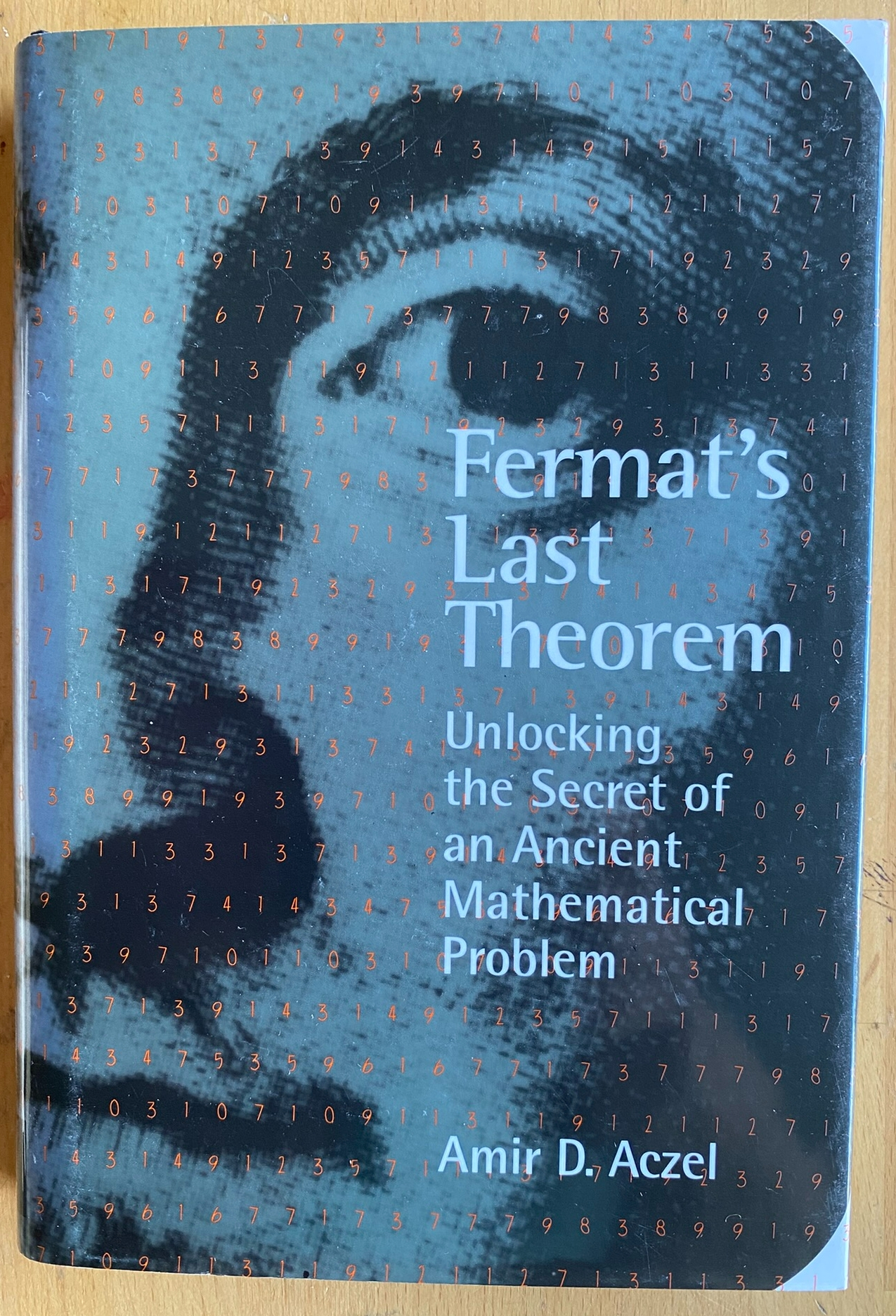
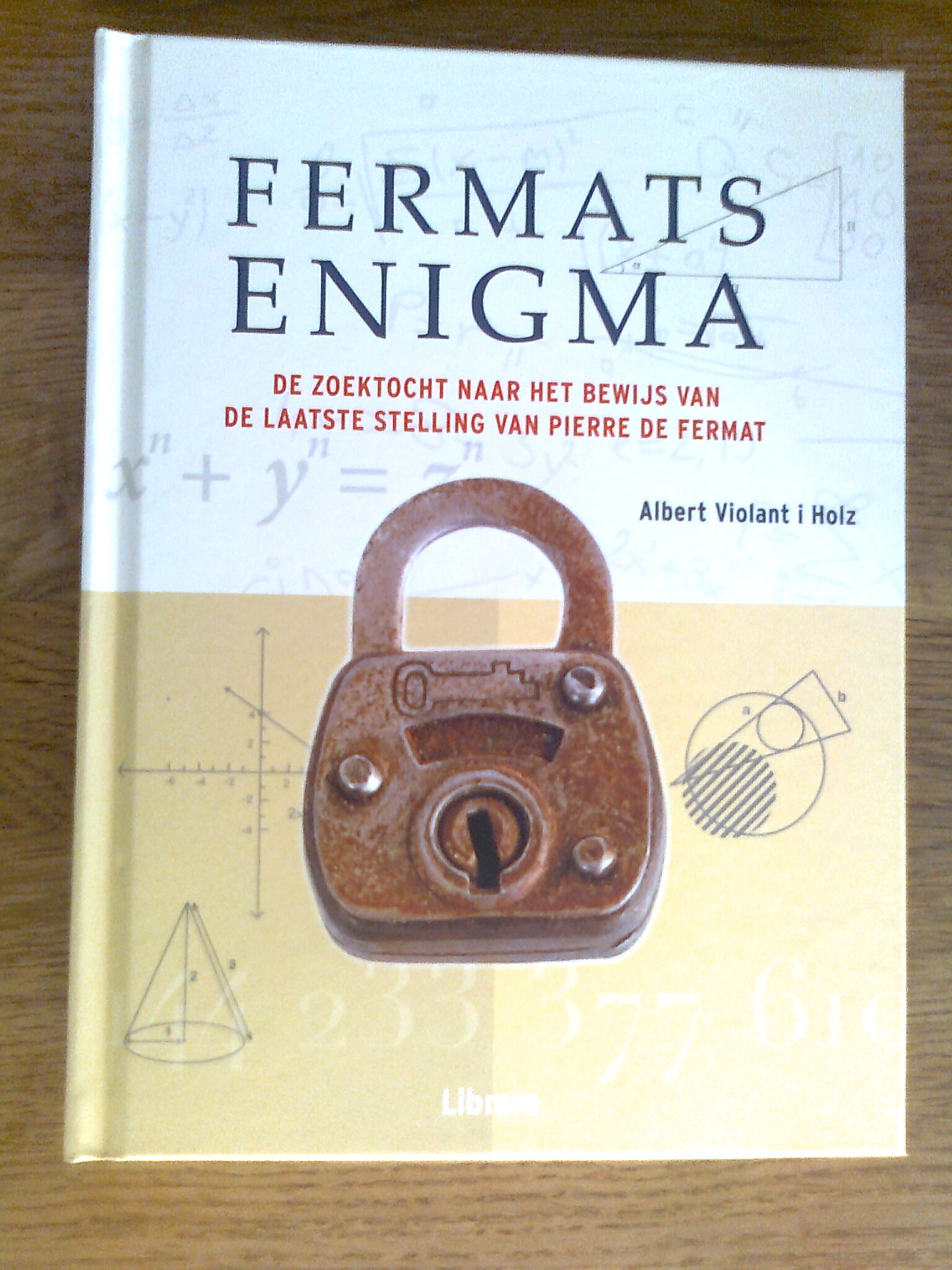
Over three hundred years ago a French scholar scribbled a simple theorem in the margin of a book. It would become the world's most baffling mathematical mystery.Simple elegant and utterly impossible to prove Fermat's Last Theorem captured the imaginations of amateur and professional mathematicians for over three centuries. For some it became a wonderful passion. For others it was an obsession that led to deceit intrigue or insanity. In a volume filled with the clues red herrings and suspense of ...
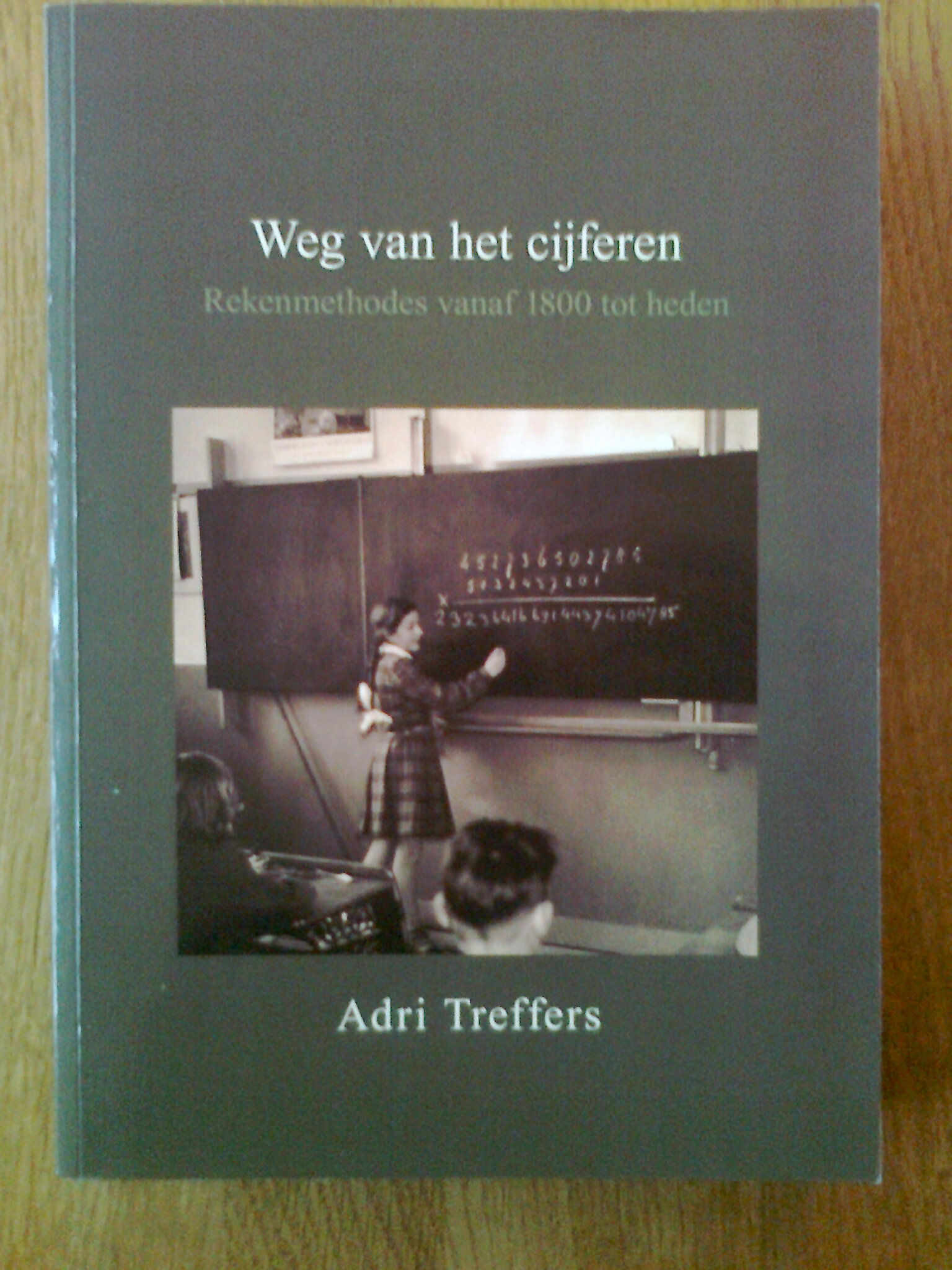
1. Mechanische methodiek 1800-18752. Opkomst heuristische rekenmethodes 1875-19003. Pendelen tussen Bartjens en Versluys 1900-19504. Richtingen in het traditionele rekenen 1950-19855. Naar een nationaal rekenprogramma 1985-19906. De stille rekenrevolutie 1990-20107. Overzicht 1800-2010Appendix: Balans van de vernieuwing 1985-2010
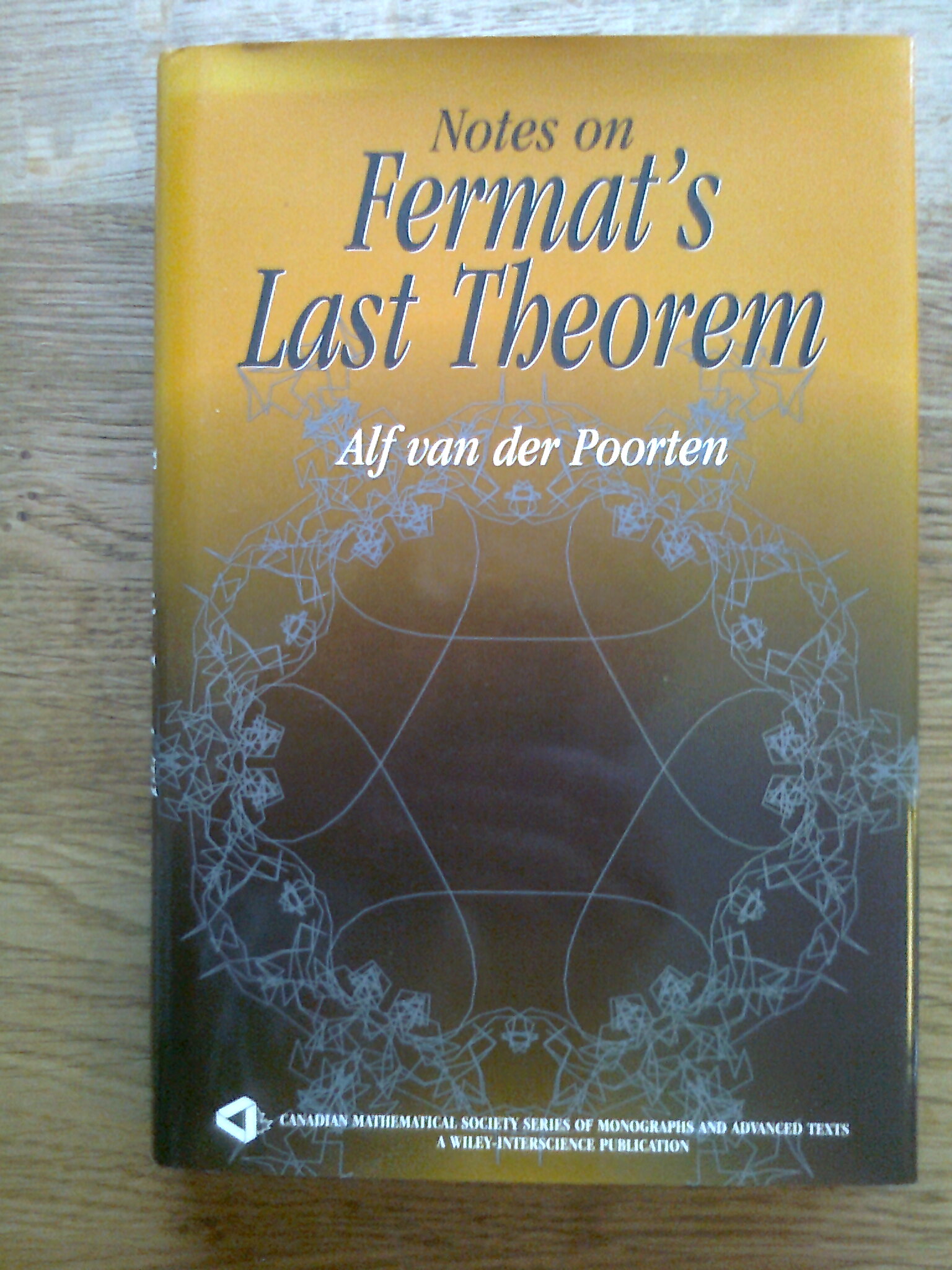
I. Quasi-historical introductionII. Remarks on unique factorizationIII. Elementary methodsIV. Kummer's argumentsV. Why do we believe Wiles? More quasi-historyVI. Diophantus and FermatVII. A child's introduction to elliptic functionsVIII. Local and globalIX. CurvesX. Modular formsXI. The Modularity ConjectureXII. The functional equationXIII. Zeta functions and L-seriesXIV. The ABC-ConjectureXV. HeightsXVI. Class number of imaginary quadratic number fieldsXVII. Wiles' proof
Eureka - eindelijk!' Met deze kop vierde The New York Times in 1993 een van de opzienbarendste prestaties in de wiskunde: het bewijs voor de laatste stelling van Fermat. Meer dan drie eeuwen beten wiskundigen zich de tanden stuk op dit zo onschuldig ogende raadsel. Niemand kon het oplossen. De miljoenen uren onderzoek door grote denkers noch de duizenden pagina's in wetenschappelijke tijdschriften leverden enig succes op. De stelling bleef een van de fascinerendste geheimen een ondoorgrondelijke...
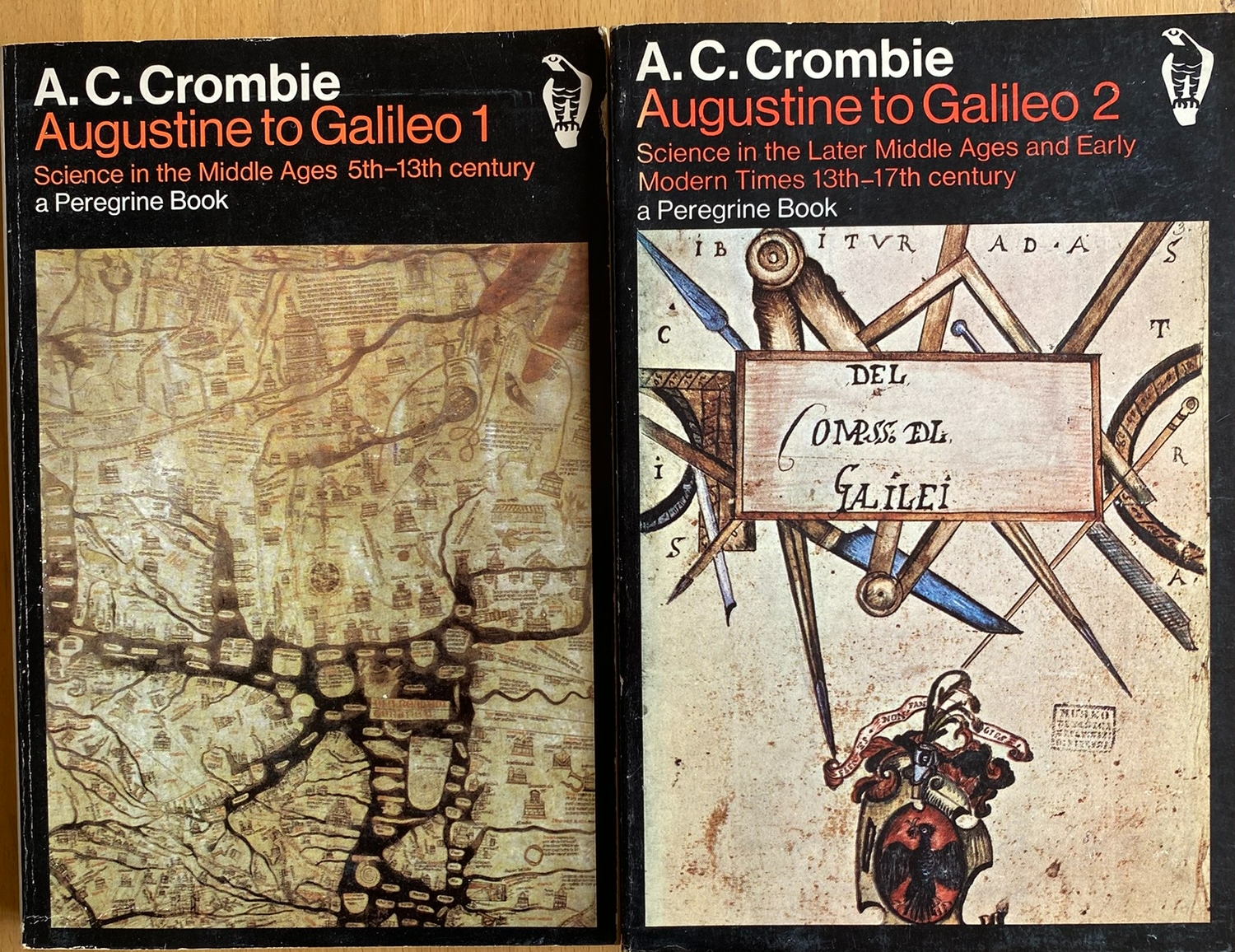
Science in the Middle AgesScience in the Later Middle Ages and Early Modern Times
€8
0 biedingen
De veiling website gebruikt functionele cookies. We gebruiken Google ReCaptcha (v2) om spambots tegen te gaan. Als je doorgaat stem je in met het gebruik van deze cookies.